Best Vacuums for Pet Hair: What Pet Owners Should Look For Before Buying

PET-FRIENDLY HOME GUIDE
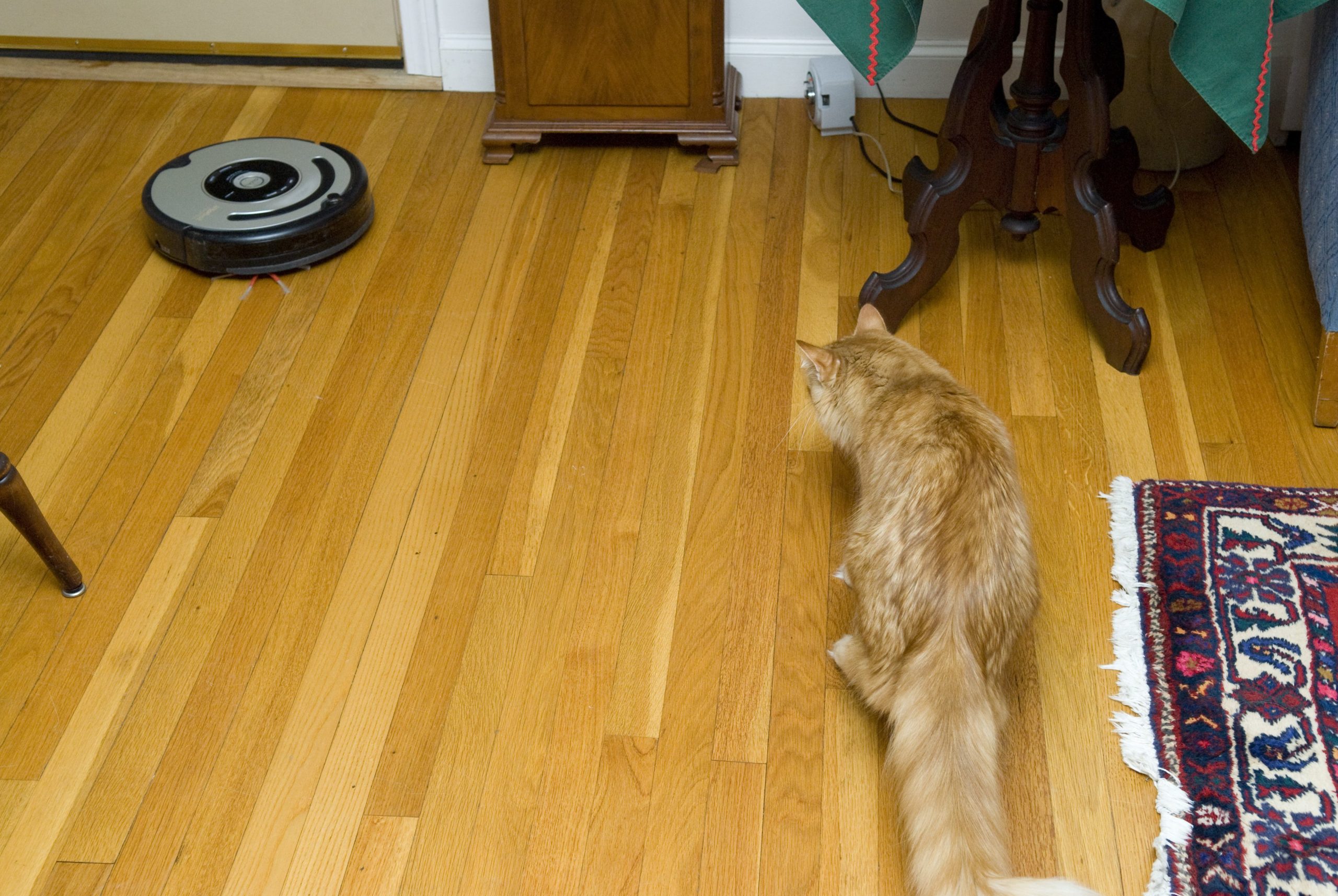
Cat near a running robot vacuum for a SavingCat pet hair vacuum buying guide
A long-haired cat near a robot vacuum at home, showing the everyday pet-hair cleaning challenge this guide focuses on.

The best vacuum for pet hair is not always the most expensive model. For most pet homes, the right choice has strong hair pickup, a brush roll that resists tangles, useful attachments, reliable filtration, and easy bin cleanup pet hair vacuum. This guide explains what matters before you buy.

SavingCat quick picks:

  • Best overall setup: An upright or cordless vacuum with a motorized brush head, upholstery tool, and sealed filtration.
  • Best for carpets: A vacuum with adjustable suction, a strong brush roll, and good edge cleaning.
  • Best for hard floors: A soft roller or hard-floor mode that captures hair without scattering litter or kibble.
  • Best for furniture: A mini motorized pet tool for couches, stairs, beds, and car seats.
  • Avoid: Weak suction-only stick vacuums, tiny dust bins, and brush rolls that clog quickly with long hair.

Quick answer: For most pet owners, choose a vacuum with a motorized brush head, a pet upholstery tool, sealed filtration, and a dust bin or bag that is easy to empty. If you have carpets, brush-roll design matters as much as suction. If you have hard floors, controlled debris pickup matters more than raw power.

In this guide: This guide covers vacuum types, pet-hair features, filtration, attachments, maintenance, mistakes to avoid, and the best options by home type.

Who this guide is for

This guide is for dog and cat owners who find hair on rugs, sofas, stairs, bedding, car seats, and baseboards. It is also useful if you share a home with multiple pets, long-haired breeds, heavy seasonal shedding, or tracked litter around the litter box.
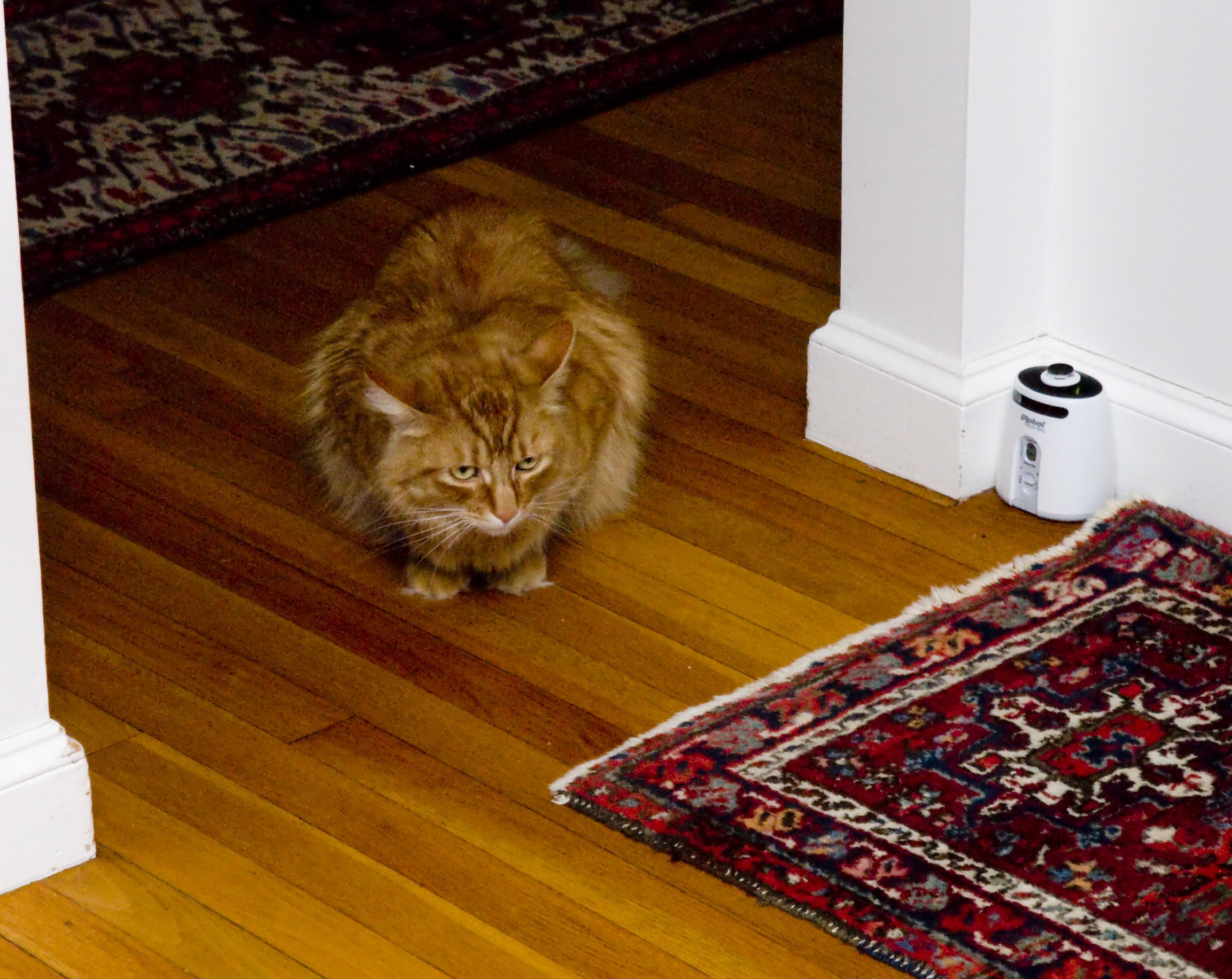
Cat watching a Roomba for a SavingCat pet hair vacuum buying guide
A cat watching a Roomba-style vacuum, useful context for pet owners considering automated daily floor maintenance.

What matters most in a pet-hair vacuum

Pet hair behaves differently from ordinary dust. It wraps around brush rolls, clings to upholstery, hides along edges, and sticks to textured carpet. That is why a pet vacuum should be judged by more than suction numbers. The cleaning head, brush design, attachments, filtration, and maintenance routine all matter.

FeatureWhy it matters for pet homesWhat to check
Motorized brush rollLifts embedded hair from rugs and carpetLook for anti-tangle design or easy brush removal
Upholstery toolRemoves hair from couches, beds, stairs, and car seatsA mini motorized tool is better than a plain nozzle
FiltrationHelps capture fine dust and dander during cleaningLook for sealed systems and washable or replaceable filters
Dust bin or bag sizePet hair fills small bins fastChoose a bin that is easy to empty without hair clouds
Hard-floor controlPrevents scattering litter, kibble, and loose hairSoft roller, suction control, or hard-floor mode

Upright, cordless, canister, or robot?

An upright vacuum is often the strongest choice for deep carpet and larger homes. A cordless stick vacuum is convenient for daily hair pickup, quick kitchen messes, stairs, and apartments. A canister vacuum can be excellent for hard floors and furniture if it includes a powered brush head. A robot vacuum is best as a maintenance tool, not a complete replacement for deeper cleaning.
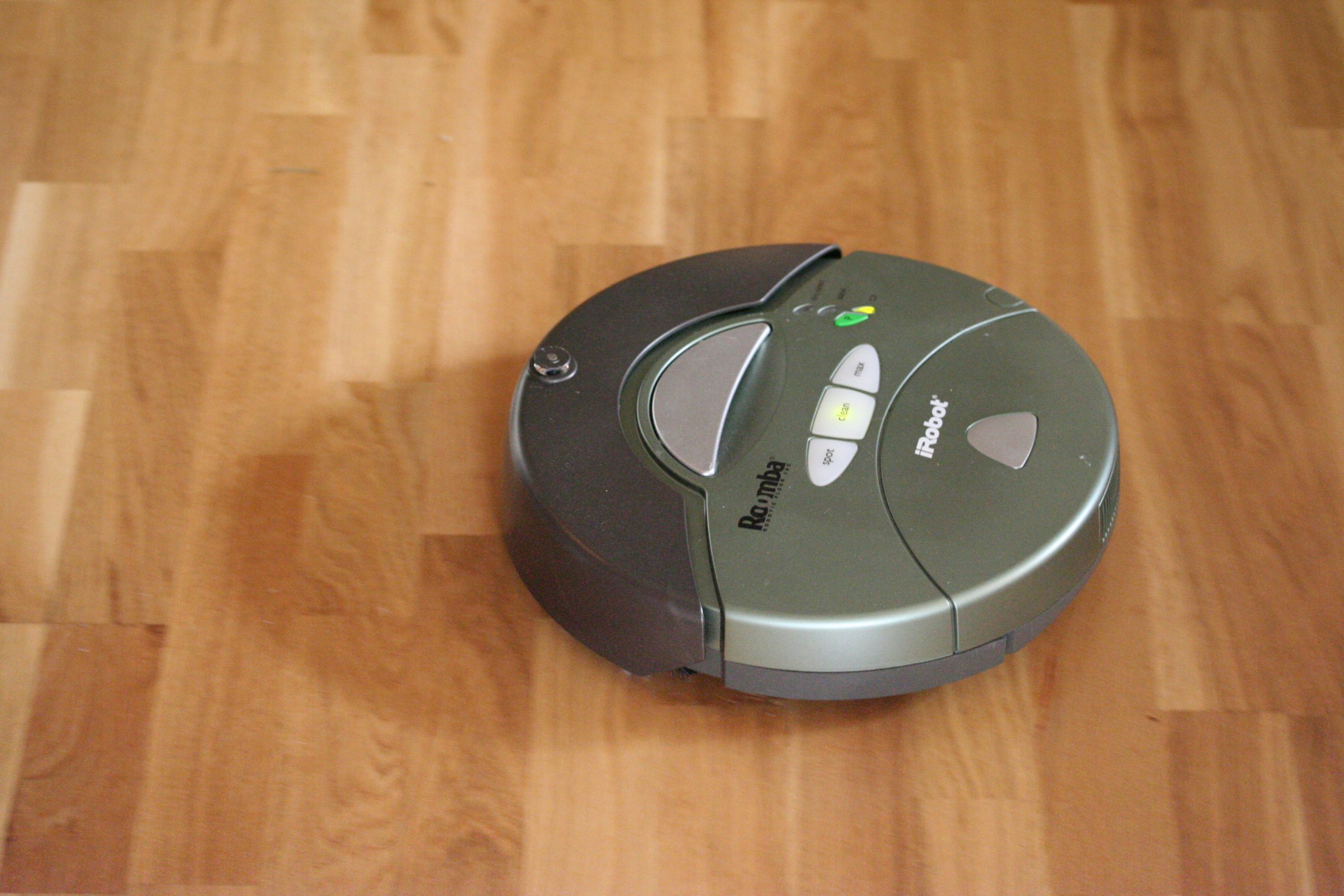
Robot vacuum on a home floor for a SavingCat pet hair vacuum buying guide
A robot vacuum on a home floor, relevant for pet-hair cleanup between deeper vacuuming sessions.

If your home has pets and carpet, do not buy only for convenience. A lightweight cordless vacuum may feel easy to use, but it still needs enough brush power to pull hair from fibers. If your home has mostly hard floors, look for controlled suction and a roller that does not fling debris across the room.

Best vacuum types by need

  1. For heavy shedding: Choose a full-size upright or high-power cordless with a removable brush roll.
  2. For apartments: A compact cordless model with a mini motorized tool may be easier to store and use daily.
  3. For allergy-sensitive homes: Prioritize sealed filtration, clean bin emptying, and replacement filter availability.
  4. For stairs and couches: Attachments matter more than headline suction numbers.
  5. For litter tracking: Hard-floor performance and edge pickup are critical.

Pet-hair vacuum mistakes to avoid

Do not ignore maintenance.
Even a great vacuum can perform poorly if the brush roll is wrapped with hair, the filter is clogged, or the dust bin is packed too tightly. Before replacing a vacuum, clean the brush roll, wash or replace filters, and check for blockages.

Best options by need

Best overall: A full-size upright or high-power cordless vacuum with a tangle-resistant brush roll and mini motorized pet tool.

Best budget: A simple corded upright with washable filters and a removable brush roll, especially for carpeted rooms.

Best for apartments: A compact cordless vacuum with wall storage, a small pet tool, and enough battery life for daily touchups.

Best for multiple pets: A larger-bin vacuum with sealed filtration and easily available replacement filters.

What to avoid: Tiny dust bins, weak suction-only heads, non-removable brush rolls, and models with expensive hard-to-find filters.

Buying checklist

  • Motorized brush head
  • Mini upholstery or pet tool
  • Sealed filtration
  • Easy brush-roll access
  • Hard-floor mode or soft roller
  • Reasonable replacement filter cost

FAQ

Is a cordless vacuum enough for pet hair?

It can be enough for daily maintenance, apartments, and hard floors. For deep carpet or heavy shedding, a stronger upright may still be better.

Do robot vacuums replace a pet vacuum?

No. Robot vacuums help maintain floors between cleanings, but they usually do not replace deep carpet cleaning or upholstery tools.

How often should pet owners vacuum?

High-shedding homes may need quick daily touchups and a deeper weekly cleaning, especially around beds, sofas, and litter areas.

Final verdict

For most pet owners, the best vacuum for pet hair is the one you will actually use often and maintain properly. Look for strong pickup, a pet-focused cleaning head, useful attachments, sealed filtration, and easy cleanup. If you have both carpet and furniture, do not skip the mini motorized tool; it is one of the most useful accessories in a pet-friendly home.

Affiliate disclosure: SavingCat may earn a commission when readers buy through qualifying retailer links, at no extra cost to you. Product details and prices can change, so always confirm current information on the retailer page.

Related guides

Image note: Article images are used as topic-matched reference photos from Wikimedia Commons where available; product photos are for buying-context illustration and do not imply a specific product recommendation.
Best Air Purifiers for Pet Dander: How to Choose One for a Pet-Friendly Home

AIR & ODOR GUIDE

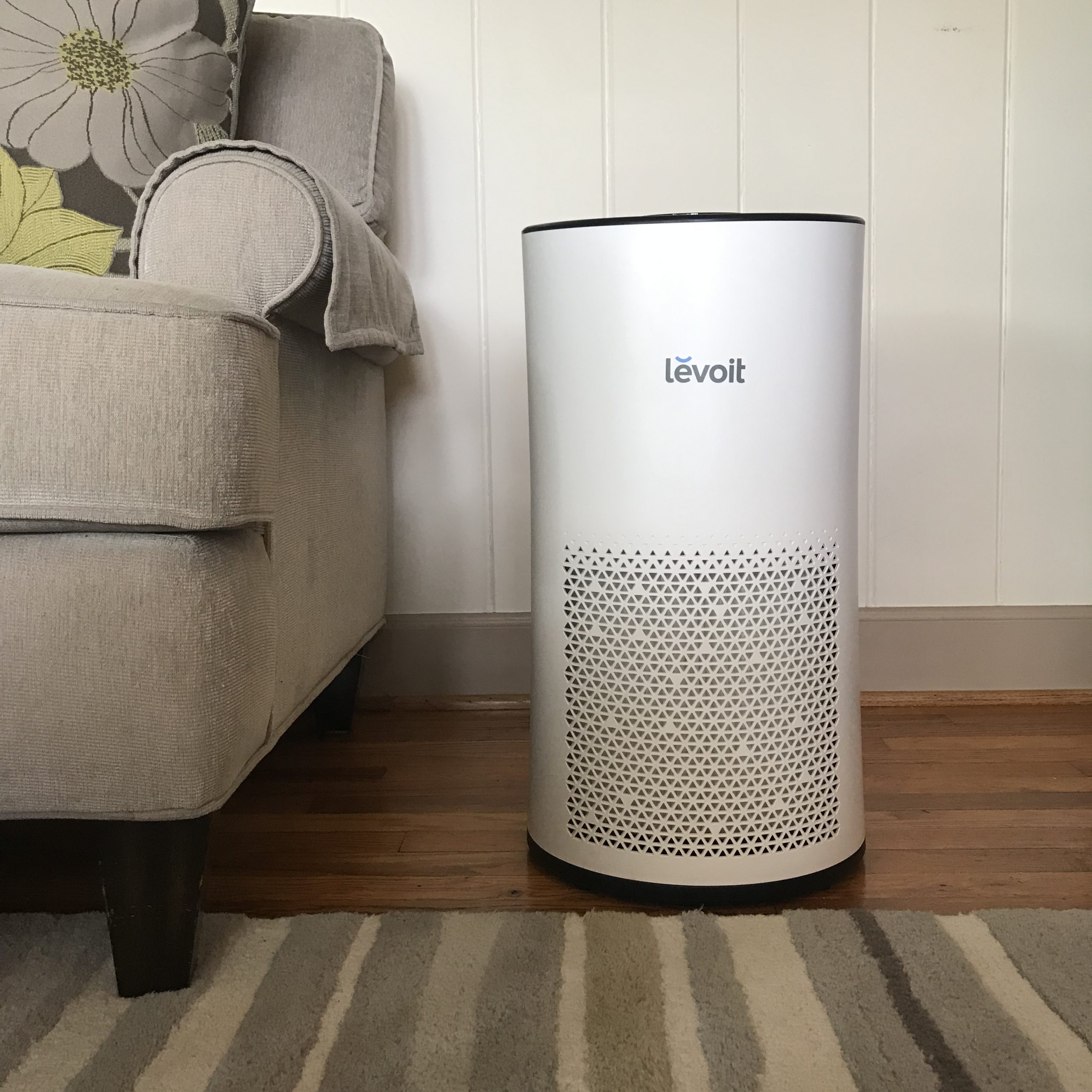
Room air purifier for pet-friendly homes for SavingCat readers
A room air purifier in a home setting; pet owners should compare room coverage, filter cost, and noise level.

An air purifier will not replace cleaning, grooming, or ventilation, but the right model can help a pet-friendly home feel fresher. The most useful choices combine true HEPA-style particle filtration, an activated carbon layer, the right room coverage, quiet operation, and affordable replacement filters air purifier for pet dander.

SavingCat quick picks:

  • Best for pet dander: A purifier with a high-efficiency particle filter sized for your room.
  • Best for litter-box odor: A model with a meaningful activated carbon filter, not just a thin carbon sheet.
  • Best for bedrooms: Quiet sleep mode, dimmable lights, and filter reminders.
  • Best for large rooms: Match the CADR or recommended coverage to the actual space.
  • Avoid: Ozone generators and products that make medical promises without clear evidence.

Quick answer: Choose an air purifier sized for the room, with a high-efficiency particle filter for dander and a real activated carbon layer if odor matters. A quiet model that runs daily is usually better than a powerful model you turn off because it is too loud.

In this guide: This guide covers dander, room size, CADR, carbon filters, noise, filter replacement cost, placement, and what air purifiers cannot do.

What pet dander is and why filtration matters

Pet dander is made of tiny skin flakes and proteins that can attach to dust, fabric, and airborne particles. Hair is visible, but dander is often harder to see. A good air purifier captures particles that pass through the filter, while regular vacuuming and washing remove the material that settles on surfaces.

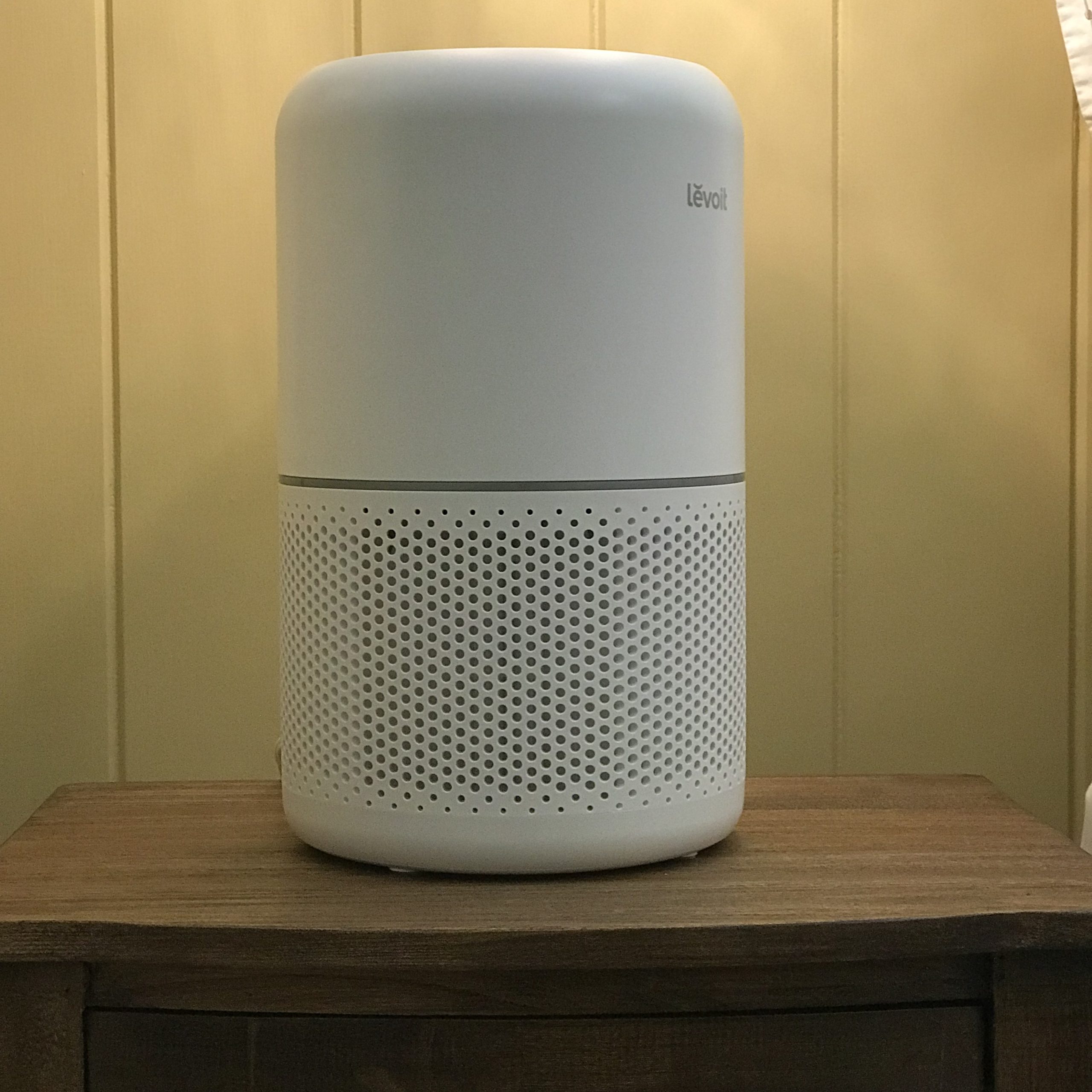
Air purifier for pet dander rooms for SavingCat readers
A compact air purifier reference image for comparing filtration, footprint, and maintenance in pet-friendly rooms.

The features that matter most

FeatureWhy it mattersBuyer tip
Particle filterCaptures dust, dander, and airborne particlesLook for true HEPA or a clearly specified high-efficiency filter
Activated carbonHelps reduce some household and litter odorsMore carbon usually works better than a very thin sheet
Room coverageA small purifier cannot clean a large open room wellMatch CADR and square footage to your real space
Noise levelPurifiers work best when they run oftenChoose one quiet enough for daily use
Filter costReplacement filters are part of the real priceCheck annual filter cost before buying

Room size is not optional

Many shoppers buy an air purifier that is too small because the unit looks sleek or has a low price. For pet homes, that can be frustrating. A purifier needs enough airflow to move room air through the filter multiple times. If the space is open, has high ceilings, or includes a litter area, choose coverage conservatively.

Air purifier placement for pet owners

  1. Place it where pets and people spend time. A bedroom or living room purifier is usually more useful than one hidden in a hallway.
  2. Keep intake and outlet clear. Do not push the purifier tight against curtains, walls, or furniture.
  3. Use it near, not inside, the problem zone. A purifier can help near litter areas, but it should not be blocked by boxes or bags.
  4. Run it consistently. Short bursts are less helpful than steady operation at a comfortable fan speed.
  5. Vacuum and wash fabrics too. Air filtration works best as part of a cleaning routine.

What an air purifier cannot do

Important: An air purifier is not a cure for allergies, asthma, or respiratory disease. If symptoms are serious, persistent, or worsening, talk with a qualified medical professional. For pet health concerns, contact a veterinarian.

It also cannot remove every odor source. Dirty litter, damp rugs, unwashed bedding, and old filters can overwhelm a purifier. Solve the source first, then use filtration to help maintain the room.

Best options by need

Best overall: A room-sized purifier with true HEPA-style filtration, activated carbon, quiet modes, and clear filter replacement pricing.

Best for bedrooms: A quiet purifier with dimmable lights, sleep mode, and enough coverage for the whole room.

Best for odor: A purifier with a meaningful carbon filter plus a cleaning routine that removes the odor source.

Best for large rooms: A higher-CADR unit matched to the real square footage, not just the smallest advertised room size.

What to avoid: Ozone generators, vague filter claims, and models with expensive proprietary filters you cannot replace easily.

Buying checklist

  • Room coverage or CADR
  • Particle filter type
  • Activated carbon amount
  • Noise rating
  • Filter replacement schedule
  • Annual filter cost

FAQ

Can an air purifier remove pet allergies?

It may reduce airborne particles, but it is not a medical cure. Talk with a medical professional for allergy or asthma concerns.

Where should I place an air purifier?

Place it where pets and people spend time, with intake and outlet vents clear of walls, curtains, and furniture.

Do air purifiers remove litter-box smell?

They can help with some airborne odor, but litter hygiene and source control matter more than filtration alone.

Final verdict

The best air purifier for pet dander is correctly sized, quiet enough to run daily, and affordable to maintain. Prioritize filter quality, room coverage, and real replacement costs. If odor is a major concern, choose a model with meaningful activated carbon and keep the litter, bedding, and floors clean.

Affiliate disclosure: SavingCat may earn a commission from qualifying purchases. Always verify filter type, coverage, replacement cost, and warranty on the retailer page before buying.

Related guides

Image note: Article images are topic-matched reference photos used for buying-context illustration; they do not imply a specific physical product recommendation.

Best Carpet Cleaners for Pet Stains: What to Look For in a Pet Home

HOME CLEANING GUIDE

Home carpet cleaner reference for SavingCat readers
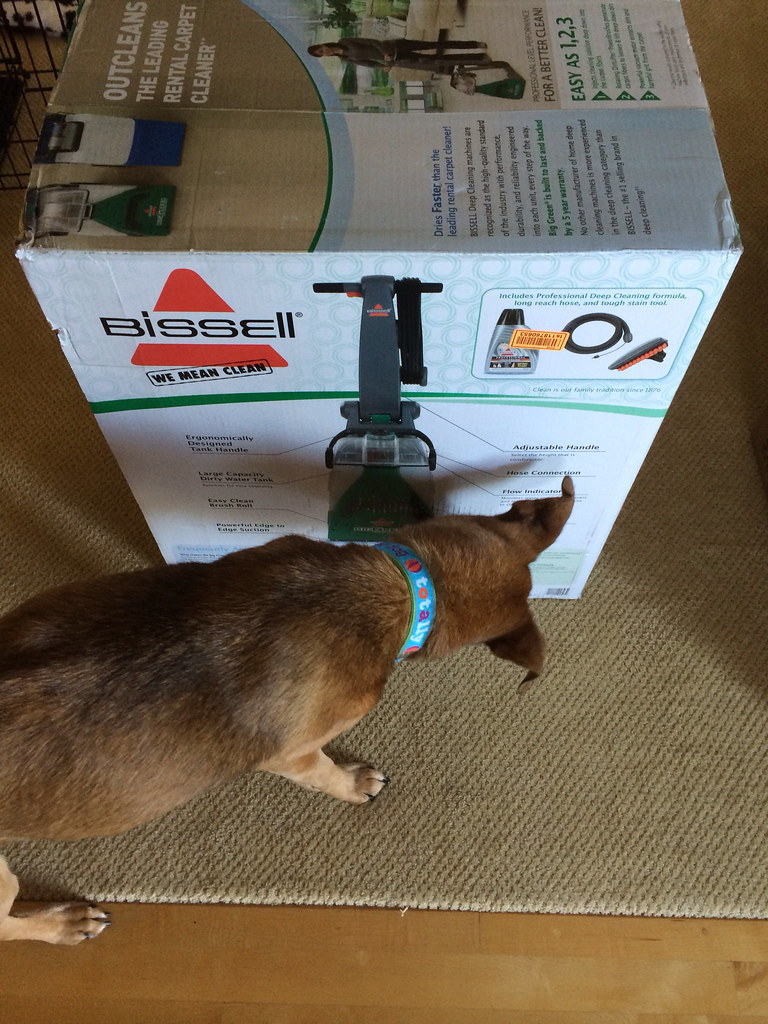
A dog investigating a carpet cleaner box at home, a more natural pet-owner context for choosing a cleaner for pet stains.

Pet stains need faster cleanup than ordinary dirt. The best carpet cleaner for a pet home should offer strong extraction, a useful stain tool, separate clean and dirty water tanks, compatible pet-safe formula options, and parts that are easy to rinse carpet cleaner for pet stains.

SavingCat quick picks:

  • Best for whole rooms: An upright carpet cleaner with strong suction and large tanks.
  • Best for accidents: A portable spot cleaner with a hose and stain tool.
  • Best for couches and stairs: A compact cleaner with upholstery attachments.
  • Best for apartments: A smaller unit that is easy to store, fill, and rinse.
  • Avoid: Cleaners that leave carpet overly wet or have tanks that are hard to empty.

Quick answer: Most pet owners should start with a portable spot cleaner for accidents, stairs, sofas, and car seats. Choose a full-size carpet cleaner if you have multiple pets, large carpeted rooms, or frequent deep-cleaning needs.

In this guide: This guide covers portable vs full-size machines, extraction, tanks, hoses, cleaning formulas, odor control, safety, and cleanup after use.

Portable spot cleaner or full-size carpet cleaner?

A portable spot cleaner is usually the most practical first purchase for pet owners. It handles fresh accidents, small stains, stairs, sofas, car seats, and pet beds. A full-size upright carpet cleaner is better if you have large carpeted rooms, multiple pets, or frequent deep-cleaning needs.

Portable carpet spot cleaner for SavingCat readers
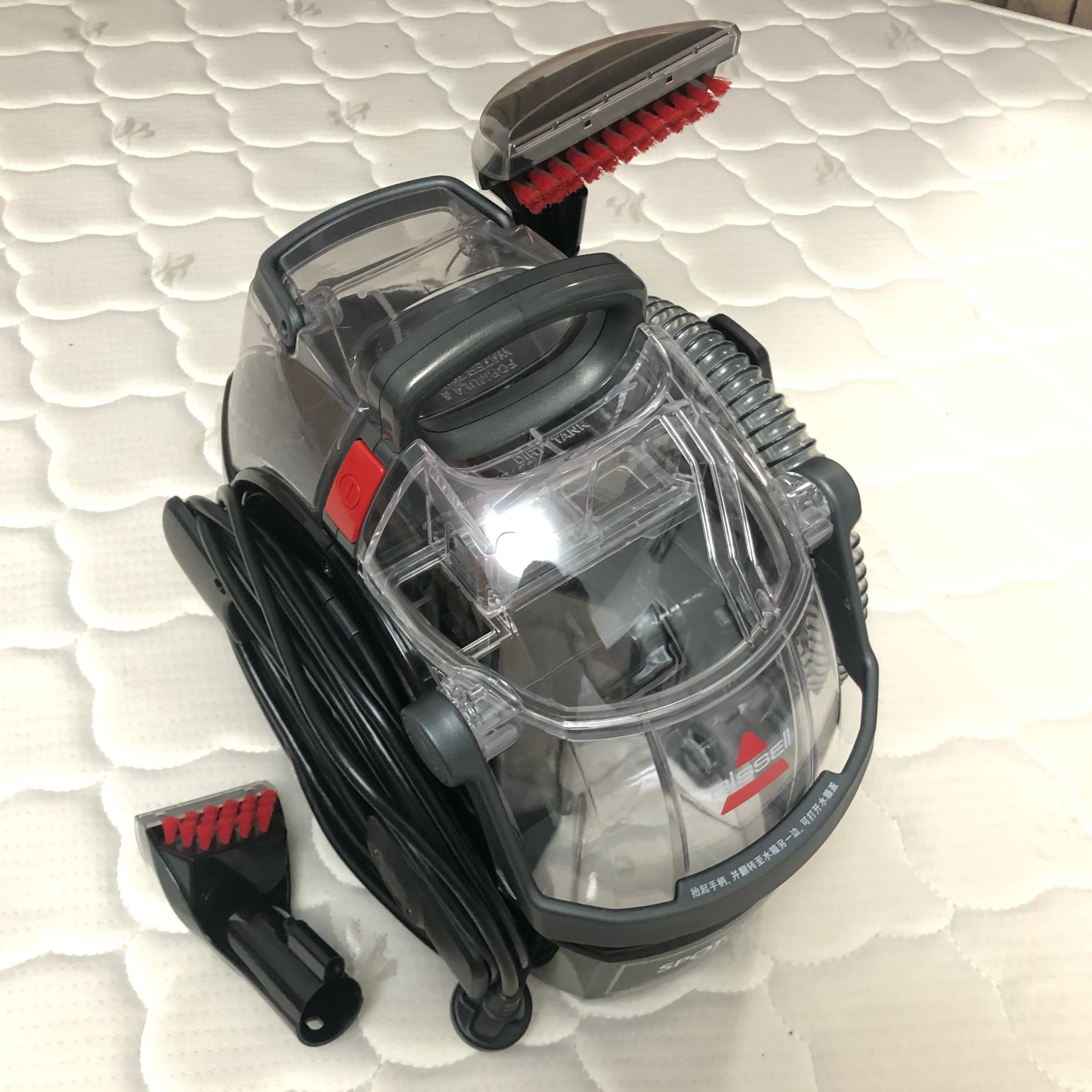
A portable carpet spot cleaner, the type many pet owners use for accidents, upholstery, stairs, and targeted stain cleanup.

Some homes benefit from both: a portable cleaner for emergencies and a larger unit for seasonal deep cleaning. If you rent or have limited storage, a compact portable model may be enough.

What to compare before buying

FeatureWhy it matters for pet stainsWhat to check
Extraction strengthPulls dirty water and residue out of fibersCarpet should not remain soaked for hours
Tank designMakes cleanup faster and less unpleasantSeparate clean and dirty tanks are easier to manage
Hose and toolsReach stairs, corners, upholstery, and car interiorsLook for stain, crevice, and upholstery tools
Cleaning formulaHelps break down odor and residueUse formulas compatible with the machine and safe as directed
RinseabilityPrevents odor inside the machineRemovable tanks and nozzle covers are helpful

How to clean pet stains more effectively

  1. Act quickly. Blot fresh mess before it spreads deeper into the carpet.
  2. Do not scrub aggressively. Scrubbing can damage fibers and push residue outward.
  3. Use the right formula. Enzyme cleaners can be useful for organic pet messes, but follow label directions carefully.
  4. Extract slowly. Give the machine time to pull liquid back out of the carpet.
  5. Rinse the machine after use. Dirty hoses and tanks can become the next odor source.

Odor control depends on the source

A carpet cleaner can remove a lot of residue, but old stains may reach carpet padding or subfloor materials. If the odor returns after cleaning, the problem may be deeper than the surface. Repeated accidents can also indicate a medical, behavior, or litter-box issue that should be addressed separately.

Carpet and upholstery cleaner after use for SavingCat readers
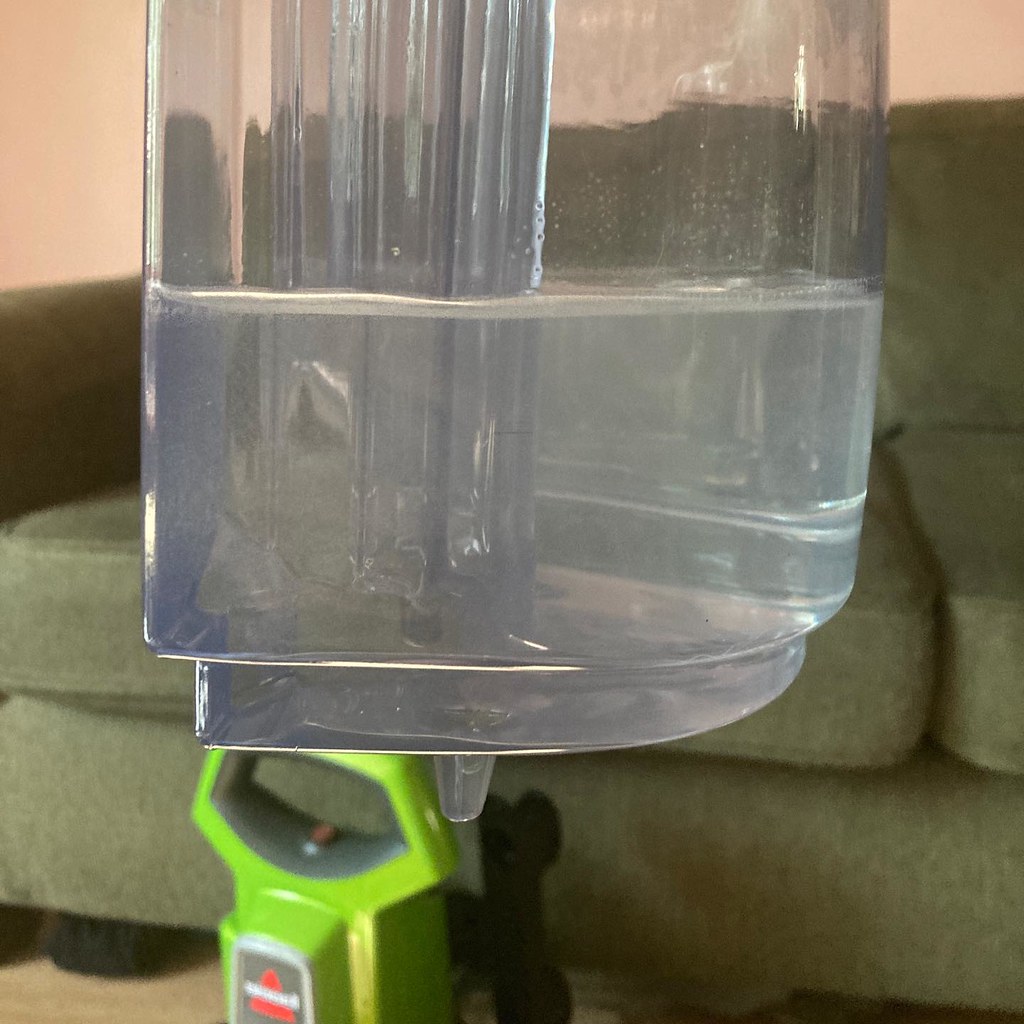
A carpet and upholstery cleaner after home use; pet owners should consider cleanup effort, extraction, and drying time.

Safety note: Keep pets away from wet carpet until the area is dry and any cleaning product has been used according to the label. Never mix cleaning chemicals unless the product instructions specifically say it is safe.

Best options by need

Best overall: A portable spot cleaner with strong extraction, a stain tool, separate tanks, and rinseable parts.

Best for whole rooms: A full-size upright carpet cleaner with larger tanks and strong water extraction.

Best for apartments: A compact cleaner that stores easily and is simple to fill, empty, and rinse.

Best for upholstery: A machine with a flexible hose, upholstery tool, and controlled spray.

What to avoid: Machines that leave carpets soaked, have hard-to-clean tanks, or require formulas that are difficult to find.

Buying checklist

  • Strong extraction
  • Separate clean and dirty tanks
  • Hose and stain tool
  • Compatible pet formula
  • Easy tank cleanup
  • Clear surface instructions

FAQ

Are portable carpet cleaners enough for pets?

They are often enough for fresh accidents, small stains, furniture, stairs, and car interiors. Large carpeted homes may need a full-size machine too.

Can a carpet cleaner remove old pet odor?

Sometimes, but old odor may reach padding or subfloor materials. Source control and repeated treatment may be needed.

Should pets stay off wet carpet?

Yes. Keep pets away until the area is dry and any cleaning product has been used according to its label.

Final verdict

For most pet owners, a portable spot cleaner is the most useful starting point. Choose a model with strong extraction, easy tank cleanup, and attachments that match your home. If you have wall-to-wall carpet or several pets, a full-size carpet cleaner may save time during deeper cleaning sessions.

Affiliate disclosure: SavingCat may earn a commission from qualifying retailer links. Confirm formula compatibility, surface instructions, warranty details, and current pricing before buying.

Related guides

Image note: Article images are topic-matched reference photos used for buying-context illustration; they do not imply a specific physical product recommendation.

Best Pet Cameras for Dogs and Cats: Features That Actually Matter

SMART GEAR GUIDE

Indoor camera for pet monitoring for SavingCat readers
An indoor camera, used here as a reference image for monitoring dogs and cats while away from home.

A pet camera can help you check on your dog or cat when you are away, but the best model depends on how you plan to use it. Focus on clear video, reliable alerts, safe placement, privacy controls, useful audio, and honest subscription costs pet camera before paying extra for gimmicks.

SavingCat quick picks:

  • Best simple choice: A reliable indoor camera with good video, night vision, and motion alerts.
  • Best for dogs: A camera with two-way audio and wide-angle viewing near the main rest area.
  • Best for cats: A stable camera placed near favorite windows, food areas, or play zones.
  • Best premium feature: Treat tossing can be fun, but only if your pet responds safely.
  • Avoid: Cameras with unclear privacy policies, required expensive subscriptions, or poor app reviews.

Quick answer: The best pet camera is reliable, secure, and easy to use. Prioritize clear video, app stability, useful alerts, privacy controls, and subscription costs before paying extra for treat tossing or advanced AI features.

In this guide: This guide covers video quality, night vision, two-way audio, treat tossing, alerts, placement, privacy, subscriptions, and pet safety.

Who should buy a pet camera?

A pet camera is useful if you want to check whether your pet is resting, barking, scratching, eating, using a favorite area, or reacting to noises. It can also help you monitor a new pet, a senior pet, or a pet recovering at home. It should not replace supervision, training, veterinary care, or a safe home setup.

Cat looking toward a camera for SavingCat readers
A cat looking toward the camera, a useful reminder to check video clarity and alert reliability in pet camera picks.

Features that matter most

FeatureWhy it mattersBuyer tip
Video qualityYou need enough detail to see behavior clearly1080p is usually enough for most rooms
Night visionPets are active in low lightCheck real user feedback, not just specs
Two-way audioLets you hear and speak through the cameraSome pets find remote voices confusing
Motion alertsHelps you notice activity without watching constantlyLook for adjustable sensitivity
Subscription planCloud clips and smart alerts may cost extraCheck monthly fees before buying

Treat tossing: useful or just fun?

Treat tossing can make a pet camera more interactive, especially for dogs that enjoy reward games. But it is not necessary for every home. Some cats ignore it, some dogs become too excited, and some pets need diet control. If you choose a treat camera, confirm treat size, cleaning requirements, and whether the mechanism jams easily.

Privacy and security checklist

  1. Use a strong password. Do not reuse your email or banking password.
  2. Enable two-factor authentication if available. This helps protect the account.
  3. Check the privacy policy. Understand how clips, audio, and account data are handled.
  4. Place the camera thoughtfully. Aim it at pet areas, not private spaces.
  5. Review subscription settings. Know whether recordings are stored locally, in the cloud, or not at all.

Where to place a pet camera

Put the camera where your pet actually spends time: near a bed, crate, couch, window perch, feeding area, or main room. A wide-angle view helps, but placement matters more than a long feature list. Keep cords hidden or protected, especially around puppies, kittens, and curious chewers.

Cat at home for monitoring context for SavingCat readers
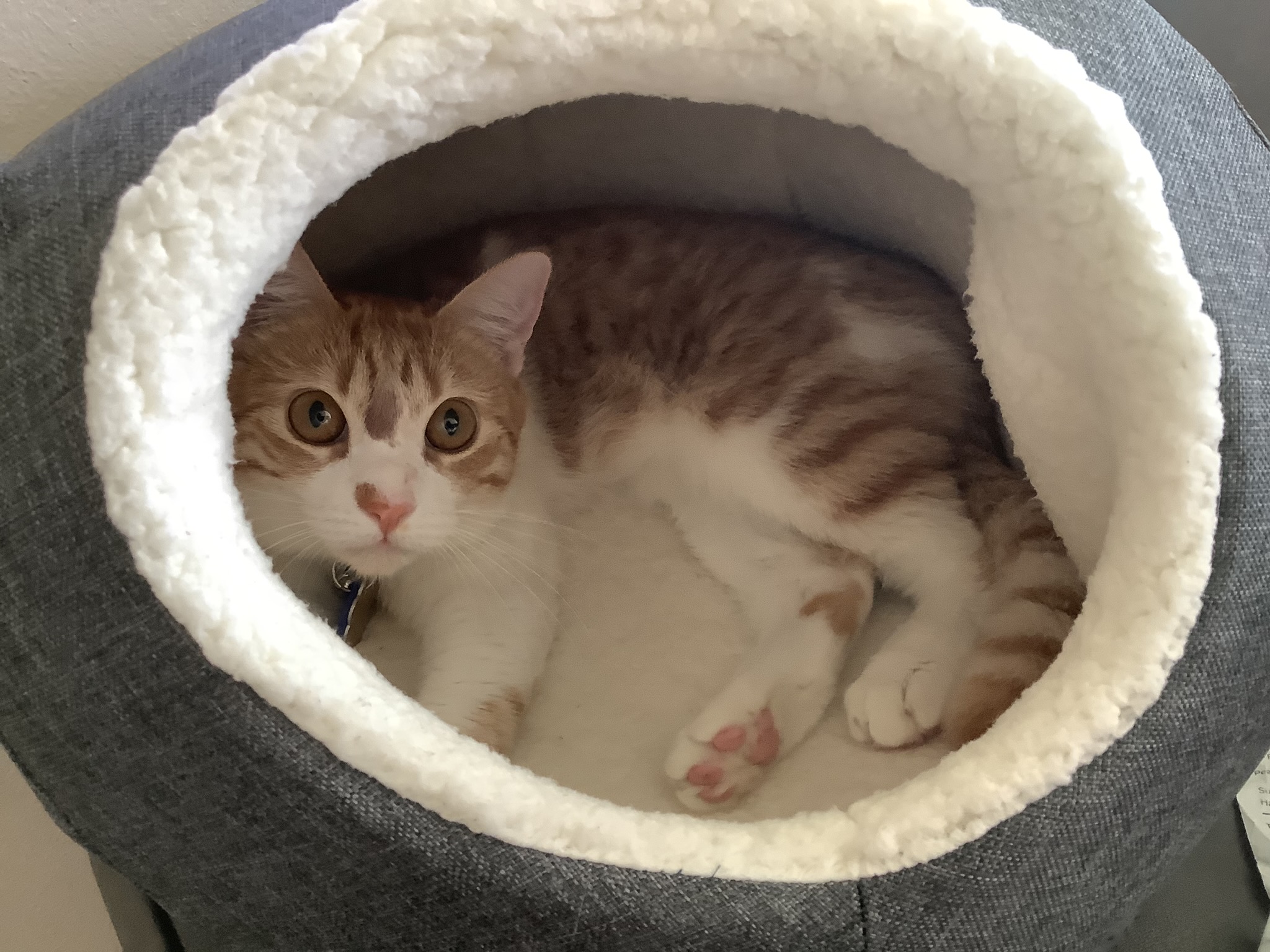
A cat at home, the kind of everyday scene a pet camera may need to monitor.

Safety note: Do not use a pet camera to delay urgent care. If your pet appears injured, in distress, unable to breathe normally, or repeatedly vomiting, contact a veterinarian or emergency clinic.

Best options by need

Best overall: A reliable indoor camera with 1080p video, night vision, adjustable alerts, and strong app reviews.

Best for dogs: A wide-angle camera with two-way audio near the main resting area, plus optional treat features if your dog responds calmly.

Best for cats: A stable camera aimed at favorite windows, perches, food areas, or play spaces.

Best budget: A simple security camera with local or low-cost cloud options and no unnecessary pet gimmicks.

What to avoid: Unclear privacy policies, poor app ratings, required expensive subscriptions, and unsafe cord placement.

Buying checklist

  • 1080p video or better
  • Night vision
  • Adjustable motion alerts
  • Two-factor authentication if available
  • Transparent subscription pricing
  • Safe cord placement

FAQ

Do pets need treat-tossing cameras?

No. Treat tossing can be fun, but many pets do fine with a simple, reliable camera.

Can a pet camera help with separation anxiety?

It may help you observe behavior, but it is not a treatment plan. Serious anxiety should be discussed with a trainer or veterinarian.

Where should I put a pet camera?

Aim it at the area where your pet spends the most time, while avoiding private spaces and protecting cords from chewing.

Final verdict

The best pet camera is reliable, secure, and simple enough that you will use it every day. Start with video quality, app reliability, alerts, privacy controls, and subscription costs. Treat tossing and advanced AI alerts can be helpful, but they should not matter more than a stable connection and safe placement.

Affiliate disclosure: SavingCat may earn a commission from qualifying purchases. Always verify app compatibility, privacy settings, subscription fees, and warranty details on the retailer page.

Related guides

Image note: Article images are topic-matched reference photos used for buying-context illustration; they do not imply a specific physical product recommendation.

Best Dog Car Seat Covers: How to Protect Your Car and Keep Trips Cleaner

TRAVEL & OUTDOOR GUIDE

Dog in car with harness and seat belt for SavingCat readers
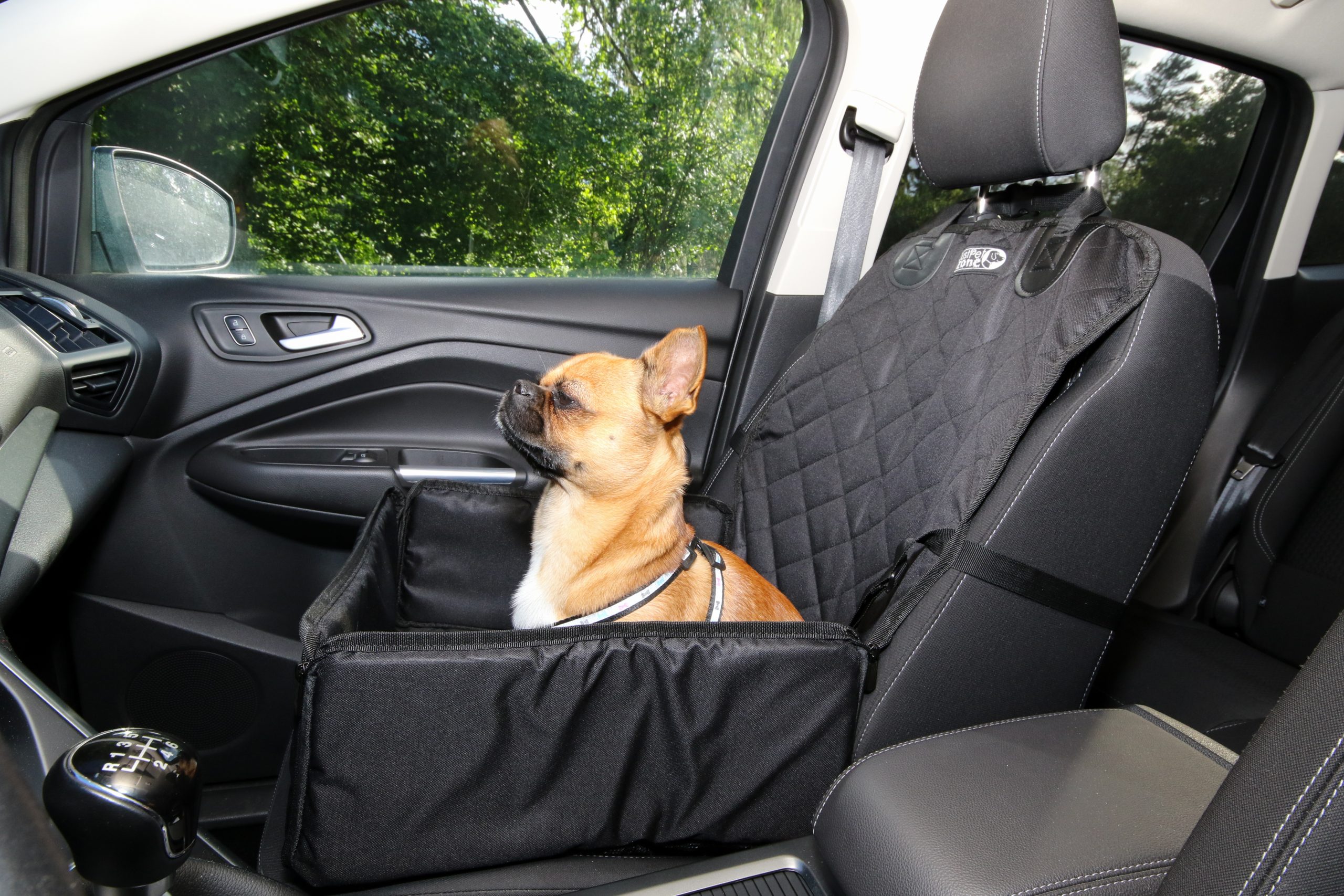
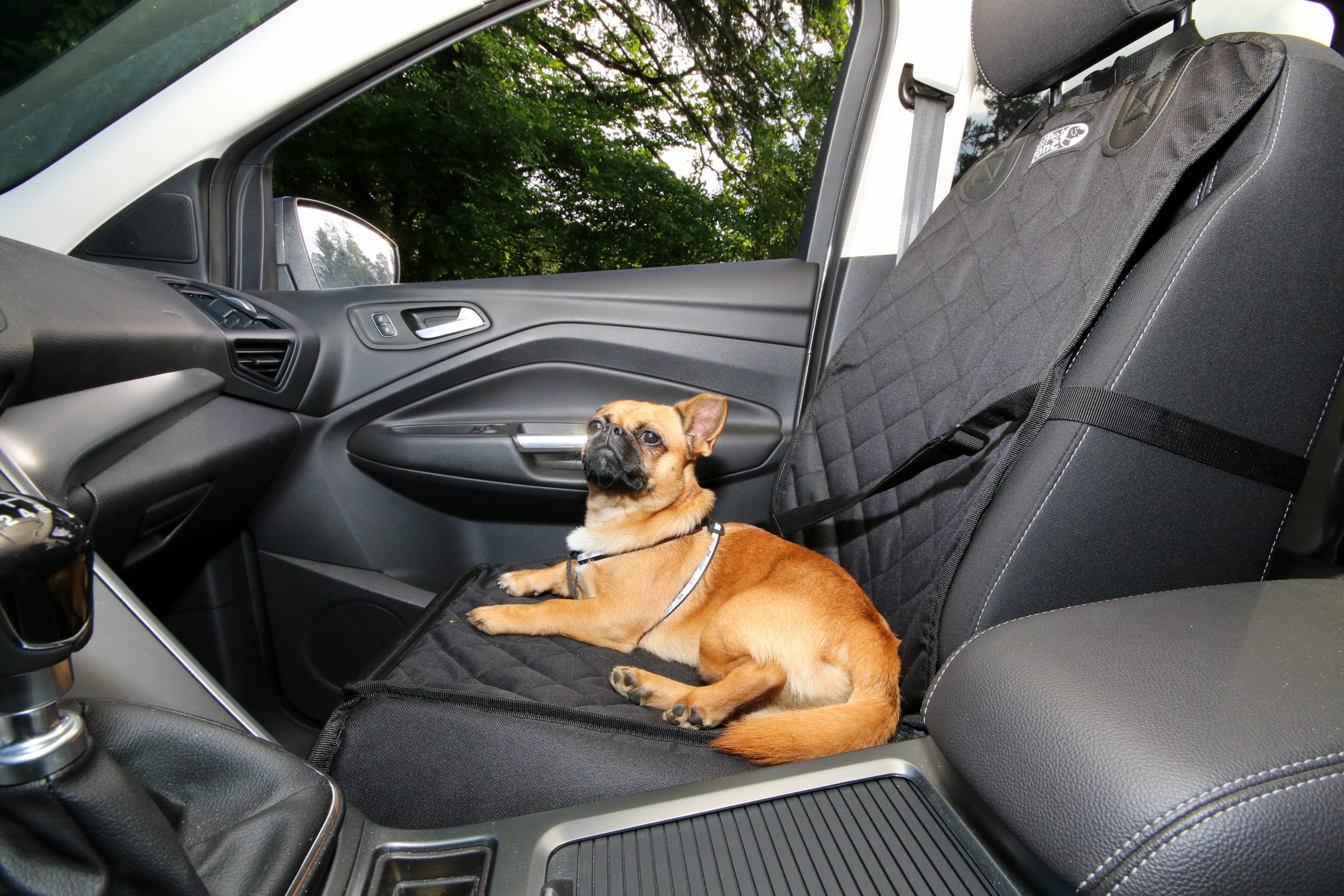
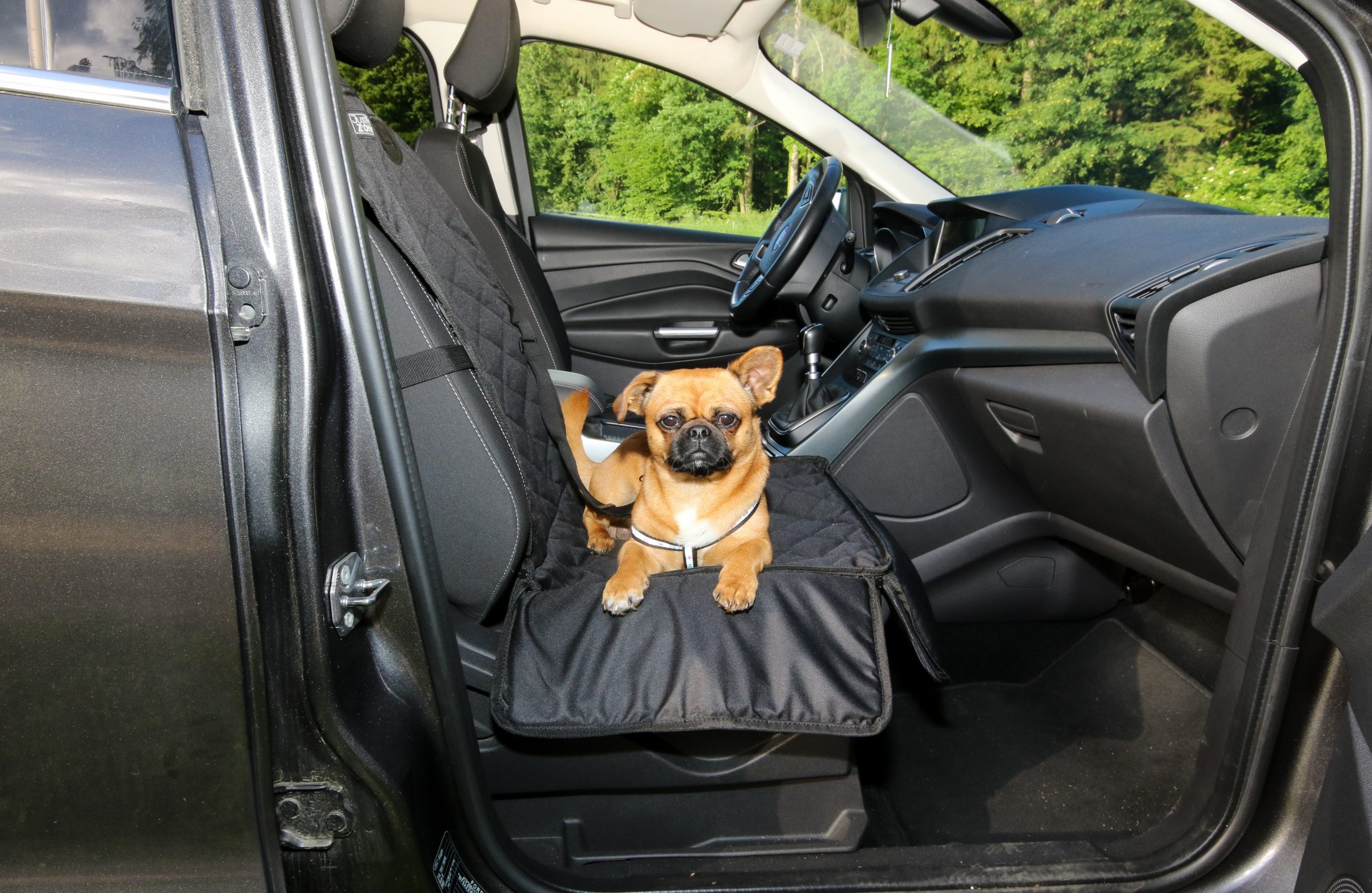
A dog riding in a car with a harness and covered seat setup, illustrating the protection and travel context for this guide.

A good dog car seat cover protects your seats from hair, mud, drool, scratches, and everyday travel mess. The best choice depends on your dog, vehicle, and trip style, but most shoppers should look for durable waterproof layers, secure anchors, non-slip backing, door protection, seat-belt access, and easy washing dog car seat cover.

SavingCat quick picks:

  • Best overall: A hammock-style cover with seat anchors, side flaps, and seat-belt openings.
  • Best for large dogs: A heavy-duty cover with reinforced stitching and non-slip backing.
  • Best for small cars: A bench cover that fits tightly without blocking passenger access.
  • Best for muddy trips: A waterproof cover with washable fabric and door protection.
  • Avoid: Covers that slide, block seat belts completely, or cannot be cleaned easily.

Quick answer: For most dog owners, a hammock-style seat cover with secure anchors, waterproof protection, side flaps, and seat-belt openings is the most versatile option. If passengers often ride in the back, a bench cover may be easier.

In this guide: This guide covers hammock, bench, and cargo covers, fit, waterproof layers, seat-belt access, cleaning, safety, and common buying mistakes.

Hammock, bench, or cargo liner?

A hammock cover attaches to the front and rear headrests, creating a sling-like barrier over the back seat. It is popular because it protects the seat and can reduce the gap between front and rear seats. A bench cover is simpler and works well if people sometimes sit beside the dog. A cargo liner is best for SUVs and wagons where dogs ride in the rear cargo area.

Dog traveling in a car for SavingCat readers
A dog traveling in a car, relevant for choosing washable covers, side flaps, and easy cleanup.

What to compare before you buy

FeatureWhy it mattersBuyer tip
FitA loose cover slides and bunchesMeasure your back seat or cargo area before buying
Water resistanceProtects against mud, drool, and accidentsCheck whether the cover is water-resistant or waterproof
Seat anchorsKeep the cover from movingLook for anchors, headrest straps, and non-slip backing
Seat-belt openingsAllow safer restraint accessOpenings should align with your vehicle
CleaningHair and mud build up quicklyChoose wipeable or machine-washable materials when possible

Safety matters more than seat protection

A seat cover protects your vehicle, but it is not a safety restraint by itself. Dogs should be secured according to your vehicle, local rules, and the restraint product instructions. If you use a harness or seat-belt tether, make sure the cover does not block access to the buckle.

Important: Do not attach a restraint to a collar in a moving vehicle. Use an appropriate harness or travel restraint system and follow manufacturer instructions.

How to keep the cover cleaner

  1. Shake it out after muddy trips. Removing loose debris before washing helps protect the fabric.
  2. Vacuum hair regularly. A pet-hair tool can prevent buildup in seams and corners.
  3. Wipe wet mess quickly. Do not let moisture sit against the seat for long periods.
  4. Check straps and anchors. Tighten them before longer drives.
  5. Use a washable blanket for extra comfort. This can make cleanup easier for drool-heavy or shedding dogs.

Best options by need

Best overall: A hammock-style cover with headrest straps, seat anchors, side flaps, non-slip backing, and belt openings.

Best for large dogs: A heavy-duty cover with reinforced seams, wide coverage, and strong anchor points.

Best for passengers: A bench-style cover that can share space with a human passenger when needed.

Best for SUVs: A cargo liner that protects the rear cargo area and bumper edge during loading.

What to avoid: Thin covers that slide, block all seat-belt access, or cannot be cleaned after muddy trips.

Buying checklist

  • Measure the seat or cargo area
  • Check seat-belt openings
  • Look for non-slip backing
  • Prefer washable or wipeable materials
  • Inspect straps and anchors
  • Use a proper dog restraint separately
Dog sitting in a car seat for SavingCat readers
A dog sitting in a car seat; dog owners should check fit, anchors, and seat-belt openings.

FAQ

Is a dog car seat cover a safety restraint?

No. A seat cover protects the vehicle. Dogs still need an appropriate harness or travel restraint according to the product instructions.

Are hammock covers better than bench covers?

Hammocks protect more of the back seat and footwell. Bench covers are easier when people also ride in the back.

How do I clean a dog seat cover?

Shake out debris, vacuum hair from seams, wipe wet mess quickly, and follow the manufacturer washing instructions.

Final verdict

For most dog owners, a hammock-style seat cover with secure anchors, waterproof protection, side flaps, and seat-belt openings is the most versatile choice. If you carry passengers often, a bench cover may be easier. For SUVs, a cargo liner can protect the larger rear area more effectively.

Affiliate disclosure: SavingCat may earn a commission from qualifying retailer links. Confirm measurements, materials, restraint compatibility, and cleaning instructions before buying.

Related guides

Image note: Article images are topic-matched reference photos used for buying-context illustration; they do not imply a specific physical product recommendation.