Best Slow Feeder Bowls and Food Puzzle Toys for Dogs: What to Look For Before You Buy

DOG PRODUCT GUIDE

A slow feeder bowl or food puzzle can help some dogs eat at a calmer pace, reduce gulping, and turn mealtime into light mental work. The best choice is not the most complicated design. It is the safest, easiest-to-clean, size-appropriate feeder your dog can use without stress.
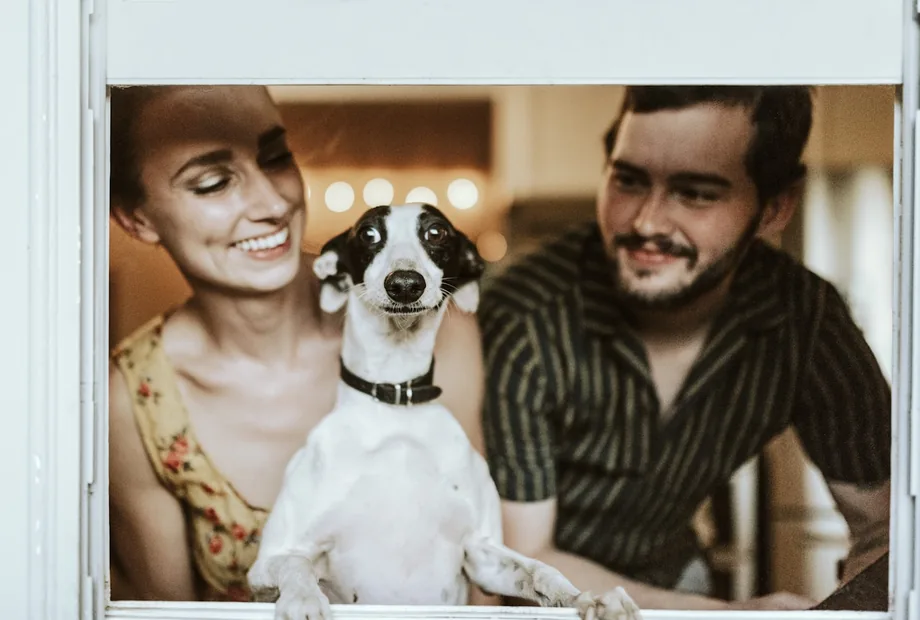
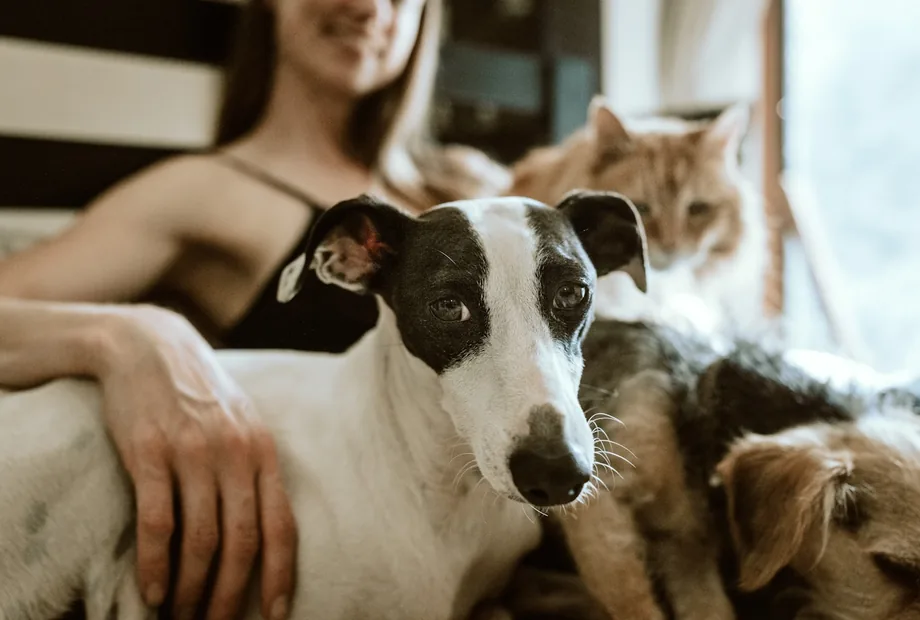
Dog at home with owners for a guide to slow feeder bowls and food puzzle toys
Slow feeders work best when they make mealtime calmer, not more frustrating.

SavingCat quick picks:

  • Best overall: A shallow, non-slip slow feeder bowl with smooth ridges and an easy-clean surface.
  • Best for fast eaters: A maze-style bowl that slows gulping without making food impossible to reach.
  • Best for flat-faced dogs: A low-profile feeder with gentle channels and no deep, narrow pockets.
  • Best for enrichment: A food puzzle or snuffle-style feeder used under supervision before alone time.
  • Avoid: Feeders with sharp ridges, tiny removable parts, unstable bases, or designs your dog chews apart.

Quick answer
For most dogs that eat too fast, choose a slow feeder bowl with a stable base, rounded ridges, and enough room for your dog’s muzzle. Start with an easier pattern, supervise the first meals, and stop using any feeder that causes frustration, coughing, or chewing damage.

In this guide
You will learn when slow feeders help, how to choose bowl depth and difficulty, what materials are easiest to clean, which dogs need special care, and how to introduce a feeder safely.

Who this guide is for

This guide is for dog owners whose pets finish meals in seconds, gulp air while eating, cough around food, vomit after meals, or seem bored by ordinary bowls. It is also useful if you are choosing between a slow feeder bowl, a lick mat, a snuffle mat, and a treat-dispensing puzzle toy.

A feeder can support better habits, but it should not replace veterinary advice. If your dog has frequent vomiting, severe coughing, weight loss, appetite changes, or signs of pain, talk with your veterinarian before assuming the bowl is the problem.

Why fast eating can be risky

Fast eating is common in food-motivated dogs. Some dogs learned to compete for food. Others are simply excited. The problem is that gulping can bring in extra air and large mouthfuls, which may lead to choking, gagging, regurgitation, stomach discomfort, or messy meals.

Deep-chested breeds and dogs with a history of digestive issues may need extra caution. A slow feeder cannot prevent every medical problem, but it can make daily feeding more controlled and easier to observe.
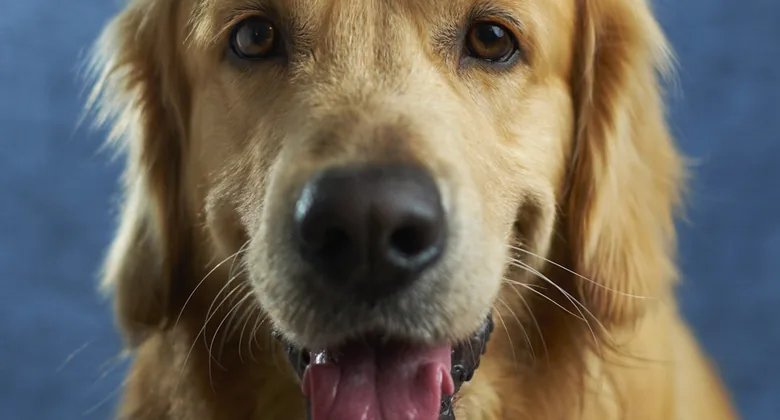
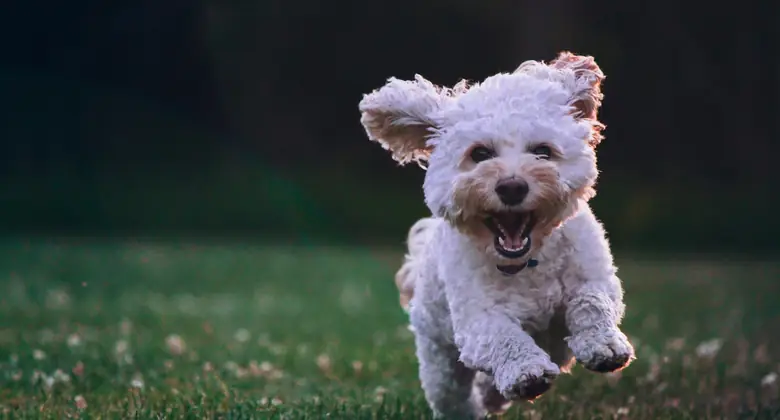
Happy dog at home for a guide to calm feeding and dog enrichment
The right feeder should leave your dog focused and settled, not frantic or confused.

Slow feeder bowl vs. food puzzle: which one do you need?

OptionBest forWatch out for
Slow feeder bowlDogs that gulp regular mealsPatterns that are too deep or difficult
Lick matCalm licking with soft food or spreadable treatsChewers that may tear silicone or rubber
Snuffle matScent work and dry kibble gamesDogs that shred fabric or swallow pieces
Treat-dispensing toyDogs that enjoy rolling, nudging, and problem solvingLoose caps, small parts, or overexcitement

What to look for before you buy

  1. Start with muzzle fit. Your dog should be able to reach food without scraping the nose or lips against sharp edges.
  2. Choose rounded ridges. Smooth, raised channels are safer than thin, harsh, or pointy obstacles.
  3. Check the difficulty level. First-time users usually do better with a simple pattern before moving to deeper mazes.
  4. Use a non-slip base. A feeder that slides across the floor can create frustration and mess.
  5. Prioritize cleaning. Food residue collects in grooves. Dishwasher-safe materials are easier for daily use.
  6. Match the material to your dog. Heavy chewers may damage soft plastic or silicone. Inspect the bowl often.

Best options by need

Best overall: A medium-difficulty plastic or stainless-style slow feeder with a stable bottom and smooth channels.

Best for puppies: A shallow feeder with an easy pattern. Puppies should learn calm eating without becoming frustrated.

Best for senior dogs: A low, accessible bowl that does not require awkward neck angles or forceful nudging.

Best for wet food: A lick mat or shallow grooved feeder that spreads food thinly and cleans easily.

Best for enrichment: Rotate between a slow bowl, snuffle game, and simple food puzzle so meals do not feel repetitive.

Safety mistakes to avoid

Do not leave an untested feeder with your dog.
Watch the first few meals. If your dog chews the feeder, paws at it aggressively, gives up, coughs repeatedly, or becomes anxious, switch to an easier design or ask your vet or trainer for guidance.

Avoid bowls with cracked plastic, loose rubber feet, broken tabs, or deep pockets that trap old food. If you use wet food, wash the feeder after each meal. If you use kibble, rinse and dry it often enough to prevent buildup in the channels.

Active dog outdoors for a guide about feeding routines and enrichment
Feeding tools work best as part of a bigger routine that includes movement, bathroom breaks, and calm rest.

How to introduce a slow feeder

  1. Use a small portion first. Let your dog explore the bowl without pressure.
  2. Make the pattern easy. Sprinkle kibble loosely instead of packing food into the deepest grooves.
  3. Stay nearby. Watch for chewing, coughing, frustration, or food guarding.
  4. Increase difficulty slowly. Once your dog understands the feeder, use more of the channels.
  5. Keep meals positive. The goal is slower eating, not a puzzle your dog cannot solve.

When to ask your vet

Ask your veterinarian if your dog vomits often, retches without bringing anything up, has a swollen belly, seems painful after eating, or suddenly changes appetite. Feeding tools are helpful for routine management, but medical symptoms need medical attention.

Final verdict

A slow feeder bowl can be a smart upgrade for dogs that eat too quickly. Choose a design that fits your dog’s muzzle, slows the meal without stress, stays stable on the floor, and is simple to clean. If your dog also needs mental enrichment, rotate in a safe food puzzle or lick mat after testing it while you are home.

SavingCat bottom line: Buy the feeder your dog can use calmly every day. Smooth ridges, easy cleaning, and proper fit matter more than a complicated maze.
Best Puzzle Toys for Dogs Home Alone: How to Choose Safe Enrichment

DOG PRODUCT GUIDE

Puzzle toys can make alone time easier for some dogs by turning food and treats into calm mental work. The best choice is not the hardest toy. It is the safest toy your dog can use without frustration or risk.

Dog standing with two owners at home for a guide to choosing puzzle toys for home-alone dogs
Puzzle toys work best when they are introduced while you are home, then used as part of a calm departure routine.

Quick answer
The best puzzle toy for a dog home alone is a durable, easy-to-clean, size-appropriate toy that your dog can solve calmly. Start simple, supervise the first few uses, and avoid toys with small parts if your dog chews aggressively.

In this guide
You will learn which puzzle toys fit different dogs, what safety features matter, how to introduce enrichment before alone time, and which related products are worth considering.

Why puzzle toys help some dogs stay calmer

Many dogs do better when alone time starts with a predictable activity. A puzzle toy gives your dog something specific to do: sniff, lick, nudge, roll, or search. That kind of food enrichment can help reduce boredom and make the first few minutes after you leave feel less abrupt.

However, puzzle toys are not a cure for separation anxiety. If your dog panics, destroys doors, drools heavily, or tries to escape, treat that as a training and welfare issue. In those cases, use puzzle toys only as part of a broader plan with gradual alone-time training and professional guidance when needed.

Happy dog looking engaged, used for a dog enrichment and puzzle toy guide
The right enrichment should make your dog focused and relaxed, not frantic or frustrated.

How to choose the right puzzle toy

  1. Start with your dog’s chewing style. Heavy chewers need tougher materials and simpler shapes. Gentle dogs may do well with treat mats or sliding puzzles.
  2. Match the difficulty level. A toy that is too hard can increase stress. Start easy, then increase difficulty as your dog learns.
  3. Check the size. The toy should be too large to swallow and stable enough that your dog can use it safely.
  4. Choose easy cleaning. Food toys should be washable because residue can build up quickly.
  5. Supervise first. Watch several sessions before leaving the toy with your dog alone.

Best puzzle toy styles for home-alone dogs

Keep it calm, not chaotic.
For alone time, choose toys that encourage slow licking, sniffing, or gentle problem-solving. Avoid toys that make your dog race around the house if that leads to overexcitement.

  1. Treat-dispensing ball: Good for dogs that enjoy rolling and nudging, but best on safe flooring.
  2. Lick mat: Helpful for calmer licking sessions with soft food or spreadable treats.
  3. Snuffle mat: Great for scent work, but not ideal for dogs that shred fabric.
  4. Sliding puzzle board: Best for supervised training sessions before using alone-time toys.
  5. Stuffable rubber toy: A strong option for many dogs when matched to chewing strength.
Active dog outdoors, used for a guide about exercise and puzzle toys before alone time
Puzzle toys work better after your dog has already had movement, bathroom time, and a chance to settle.

Safety mistakes to avoid

Do not leave an untested toy with your dog.
A puzzle toy that looks safe online may not be safe for your dog’s mouth, chewing strength, or frustration level. Always test it while you are home first.

Avoid toys with loose caps, small removable pieces, weak seams, or narrow openings that trap the tongue. If your dog guards food, swallows pieces, or becomes frantic around treats, ask a trainer or veterinarian before using food puzzles during alone time.

Helpful products to consider

The most useful setup depends on your dog. A stuffable rubber toy can slow eating. A lick mat supports calm licking. A snuffle mat adds scent work. A pet camera helps you see whether your dog actually settles.

Stuffable rubber toyA durable choice for many dogs when matched to chewing strength.

Lick matEncourages slower licking and can support a calmer departure routine.

Snuffle matAdds scent-based enrichment for dogs that enjoy searching for food.

Pet cameraShows whether your dog relaxes, paces, barks, or ignores the toy.

Bottom line

Bottom line
The best puzzle toy for home-alone dogs is safe, simple, washable, and tested under supervision. Use it to support a calm routine, not to hide a serious anxiety problem. Start easy, watch how your dog responds, and choose enrichment that leaves your dog more relaxed after using it.

Affiliate disclosure: SavingCat may earn a commission when readers buy through certain links. Our guides are written to help pet owners make practical, informed decisions.

Best Dog Beds for Dogs That Stay Home Alone: What to Look For Before You Buy

DOG PRODUCT GUIDE

A good dog bed is not just a soft place to sleep. For dogs that spend part of the day at home alone, the right bed can support calm routines, safer resting, joint comfort, and a more predictable place to settle.

Dog owner relaxing at home with a dog, used for a guide to choosing dog beds for home-alone dogs
A calmer home-alone routine starts with a familiar place to rest and a bed your dog actually wants to use.

Quick answer
The best dog bed for a dog that stays home alone is usually a supportive, washable, non-slip bed placed in a quiet area your dog already likes. Choose the shape and firmness based on your dog’s size, sleep style, age, and anxiety level.

In this guide
You will learn which bed features matter most, which dogs need orthopedic support, what to avoid, and which companion products can make alone time calmer and easier to manage.

Why the bed matters when your dog is home alone

Dogs that stay home alone need a place that feels consistent. A bed can become a settling cue: the same location, same scent, same texture, and same routine every time you leave. That predictability can help some dogs relax instead of pacing from room to room.

The bed will not fix separation anxiety by itself, but it can support a better plan. Pair it with exercise, a calm departure, water access, and safe enrichment. If your dog destroys bedding, chews fabric, or panics while alone, choose durability first and speak with a trainer or veterinarian when needed.

Person caring for a dog at home as part of a calm daily routine
A predictable routine makes the bed easier for your dog to understand as a calm resting spot.

Key features to look for in a dog bed

  1. Supportive filling. Adult and senior dogs often benefit from foam that keeps joints off the floor. Very thin cushion beds may flatten quickly.
  2. Washable cover. A removable cover is easier to clean after drool, accidents, shedding, or muddy paws.
  3. Non-slip base. A bed that slides across tile or wood floors can make some dogs avoid it, especially seniors.
  4. Right size. Your dog should be able to stretch, turn, and curl without hanging off the edges.
  5. Safe materials. Avoid loose stuffing, weak seams, or decorative parts if your dog chews when bored or anxious.

Which bed style fits your dog?

Match the bed to the dog, not just the room.
A bed can look beautiful in your home but still fail if it does not match how your dog actually sleeps. Watch your dog for a few days before buying.

  1. Flat mattress bed: Best for dogs that stretch out or move between positions.
  2. Bolster bed: Good for dogs that like resting their head on a raised edge.
  3. Orthopedic bed: Useful for senior dogs, large breeds, or dogs with stiffness.
  4. Donut bed: Cozy for curl-up sleepers, but not ideal for every large or hot-running dog.
  5. Crate mat: Helpful if your dog already uses a crate calmly and safely.
Person walking a dog outdoors before the dog rests at home
A walk before alone time can make a resting spot more effective because your dog has already released energy.

Red flags: when a bed is not enough

Do not rely on a bed to solve serious anxiety.
If your dog howls for long periods, damages doors, chews bedding, soils indoors, drools heavily, or tries to escape, treat it as a welfare and training issue, not a shopping problem.

In those cases, a camera, shorter absences, gradual training, a dog walker, or professional support may matter more than the bed itself. The bed should support the routine, not replace the routine.

Helpful products to consider

Start with the product that solves the clearest problem. A washable dog bed helps with cleaning. An orthopedic bed helps with support. A pet camera shows whether your dog settles. A puzzle toy can make departure calmer.

Washable dog bedBest first choice for everyday comfort, shedding, and easy cleaning.

Orthopedic dog bedHelpful for senior dogs, large breeds, and dogs with joint stiffness.

Pet cameraShows whether your dog actually rests or stays stressed after you leave.

Puzzle toyAdds calm mental work before your dog settles on the bed.

Bottom line

Bottom line
The best dog bed for home-alone time is not simply the fluffiest one. Look for support, washable materials, safe construction, and a consistent location. Then pair the bed with exercise, enrichment, and a calm routine your dog can understand.

Affiliate disclosure: SavingCat may earn a commission when readers buy through certain links. Our guides are written to help pet owners make practical, informed decisions.

How Long Can Dogs Be Left Alone? A Practical Guide by Age and Routine

DOG CARE AND DAILY ROUTINES

Leaving a dog home alone is normal for many families, but the right amount of time depends on age, health, training, exercise, and temperament. This guide gives practical time ranges and a safer routine you can adjust for your dog.

Person sitting at home with a dog, used for a guide about how long dogs can be left alone
A good alone-time plan starts before you leave: exercise, a calm routine, water, and a safe space.

Quick answer
Many adult dogs can handle about 4 to 6 hours alone once trained, but puppies, seniors, anxious dogs, and dogs with medical needs often need much shorter periods. If your dog panics, destroys things, soils indoors, or barks for long periods, treat it as a training or welfare issue rather than “bad behavior.”

In this guide
You will find age-based time ranges, signs your dog is not coping, a better leaving routine, and simple products that can make alone time safer and calmer.

How long can dogs be left alone by age?

There is no single perfect number for every dog. A calm adult dog with good house training may manage a workday split by a midday walk, while a young puppy may need a potty break every couple of hours. Use these ranges as a starting point, not a rule that overrides your dog’s behavior.

Dog age or situationTypical alone-time rangeWhat matters most
Young puppy1 to 2 hoursPotty breaks, crate comfort, short practice sessions
Older puppy2 to 4 hoursGradual training, safe chew options, routine
Healthy adult dog4 to 6 hoursExercise, bathroom access, temperament
Senior dog2 to 5 hoursMobility, medication, bladder control, anxiety
Dog with separation anxietyVaries widelyTraining plan, professional guidance, slow exposure

Signs your dog is not coping well alone

Watch for stress signals
Repeated barking, escape attempts, indoor accidents, shaking, heavy drooling, or refusing food can mean your dog is not simply “misbehaving” — your dog may be struggling with being alone.

  • Long periods of barking, whining, or howling after you leave.
  • Scratching doors, chewing frames, or trying to escape.
  • Indoor accidents when the dog is normally house trained.
  • Heavy drooling, pacing, shaking, or refusing food when alone.
  • Extreme excitement or distress when you return.

If these signs appear often, reducing the alone time is only part of the fix. Your dog may need gradual desensitization, a calmer departure routine, more exercise, a different safe space, or help from a veterinarian or certified trainer.

Dog owner spending calm time with a dog at home before leaving
A predictable routine helps many dogs understand that leaving and returning are normal parts of the day.

A better routine before leaving your dog alone

  • Start with movement, not excitement.
    A walk, sniffing session, or short play period can help your dog settle without turning departure into a high-energy event.
  • Give a safe, boring space.
    Most dogs do better in a familiar area with water, a comfortable bed, and limited access to hazards.
  • Use food enrichment carefully.
    A stuffed toy, lick mat, or puzzle feeder can make departures feel more positive, as long as it is safe for your dog’s chewing style.
Person walking a dog outdoors as part of a daily routine
A walk or sniff session before alone time can reduce restlessness and make settling easier.

What if you work outside the home all day?

If your schedule keeps you away longer than your dog can comfortably manage, build support into the day. A midday dog walker, trusted neighbor, dog daycare, or flexible work break can prevent stress and bathroom problems.

For dogs with separation anxiety, avoid jumping straight to long absences. Practice short departures, keep returns calm, and track what your dog does while you are gone. A simple camera can help you see whether your dog relaxes after a few minutes or stays distressed for the entire absence.

Helpful products to consider

Pet cameraShows whether your dog settles or stays stressed while you are away.

Puzzle toy or slow feederAdds calm mental work before or during departure.

Comfortable dog bedCreates a predictable resting spot for adult and senior dogs.

Dog gate or penLimits access to unsafe areas without full isolation.

Bottom line

Bottom line
Most adult dogs can learn to spend part of the day alone, but the right limit depends on the individual dog. Start with shorter absences, build a predictable routine, watch for distress signs, and use support when your schedule is longer than your dog can handle comfortably.

Affiliate disclosure: SavingCat may earn a commission when you buy through links on our site. Our recommendations are based on practical pet-owner needs, not commission rates.