Best Air Purifiers for Pet Dander: How to Choose One for a Pet-Friendly Home

Olivia Davis
Hi, I’m Olivia Davis. As a content editor for our pet care brand, I’m passionate about crafting warm, relatable stories that connect pet owners to reliable, heart-centered care tips. My goal is to make every piece feel like a friendly chat with someone who truly gets the love we have for our pets.
Disclosure: SavingCat is reader-supported. We may earn a commission when you buy through our links, at no extra cost to you.
AIR & ODOR GUIDE
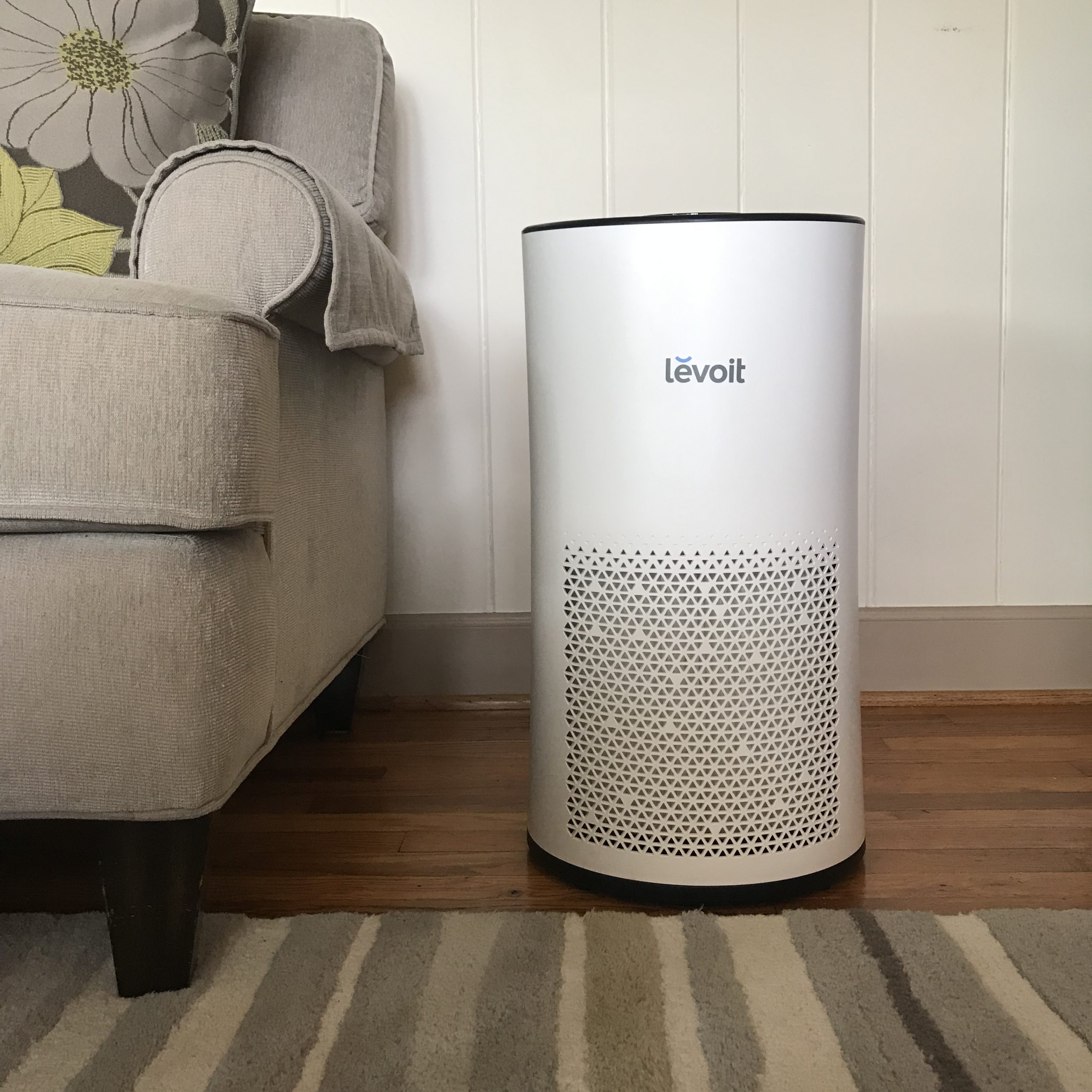
An air purifier will not replace cleaning, grooming, or ventilation, but the right model can help a pet-friendly home feel fresher. The most useful choices combine true HEPA-style particle filtration, an activated carbon layer, the right room coverage, quiet operation, and affordable replacement filters air purifier for pet dander.
SavingCat quick picks:
- Best for pet dander: A purifier with a high-efficiency particle filter sized for your room.
- Best for litter-box odor: A model with a meaningful activated carbon filter, not just a thin carbon sheet.
- Best for bedrooms: Quiet sleep mode, dimmable lights, and filter reminders.
- Best for large rooms: Match the CADR or recommended coverage to the actual space.
- Avoid: Ozone generators and products that make medical promises without clear evidence.
Quick answer: Choose an air purifier sized for the room, with a high-efficiency particle filter for dander and a real activated carbon layer if odor matters. A quiet model that runs daily is usually better than a powerful model you turn off because it is too loud.
In this guide: This guide covers dander, room size, CADR, carbon filters, noise, filter replacement cost, placement, and what air purifiers cannot do.
What pet dander is and why filtration matters
Pet dander is made of tiny skin flakes and proteins that can attach to dust, fabric, and airborne particles. Hair is visible, but dander is often harder to see. A good air purifier captures particles that pass through the filter, while regular vacuuming and washing remove the material that settles on surfaces.
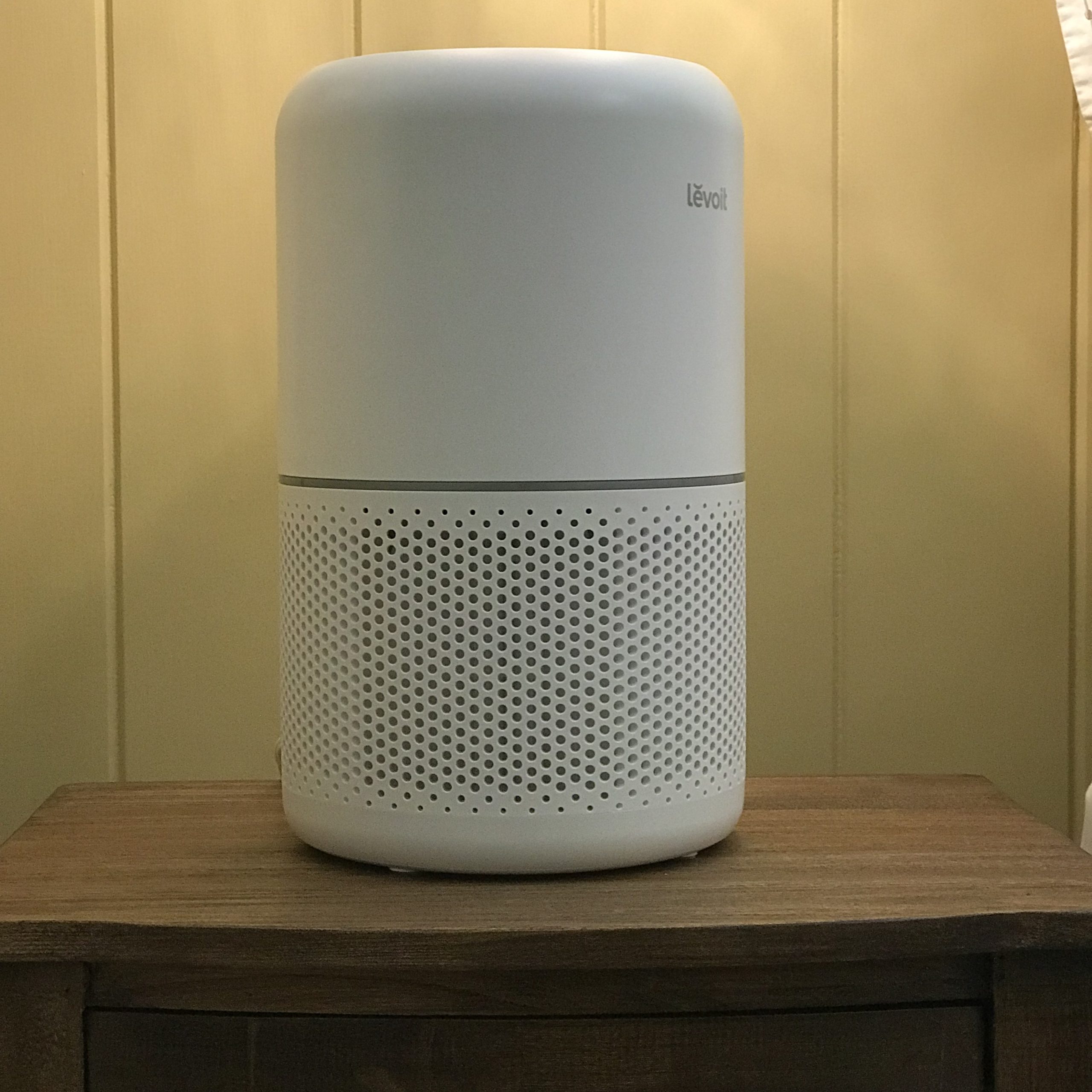
The features that matter most
| Feature | Why it matters | Buyer tip |
|---|---|---|
| Particle filter | Captures dust, dander, and airborne particles | Look for true HEPA or a clearly specified high-efficiency filter |
| Activated carbon | Helps reduce some household and litter odors | More carbon usually works better than a very thin sheet |
| Room coverage | A small purifier cannot clean a large open room well | Match CADR and square footage to your real space |
| Noise level | Purifiers work best when they run often | Choose one quiet enough for daily use |
| Filter cost | Replacement filters are part of the real price | Check annual filter cost before buying |
Room size is not optional
Many shoppers buy an air purifier that is too small because the unit looks sleek or has a low price. For pet homes, that can be frustrating. A purifier needs enough airflow to move room air through the filter multiple times. If the space is open, has high ceilings, or includes a litter area, choose coverage conservatively.
Air purifier placement for pet owners
- Place it where pets and people spend time. A bedroom or living room purifier is usually more useful than one hidden in a hallway.
- Keep intake and outlet clear. Do not push the purifier tight against curtains, walls, or furniture.
- Use it near, not inside, the problem zone. A purifier can help near litter areas, but it should not be blocked by boxes or bags.
- Run it consistently. Short bursts are less helpful than steady operation at a comfortable fan speed.
- Vacuum and wash fabrics too. Air filtration works best as part of a cleaning routine.
What an air purifier cannot do
Important: An air purifier is not a cure for allergies, asthma, or respiratory disease. If symptoms are serious, persistent, or worsening, talk with a qualified medical professional. For pet health concerns, contact a veterinarian.
It also cannot remove every odor source. Dirty litter, damp rugs, unwashed bedding, and old filters can overwhelm a purifier. Solve the source first, then use filtration to help maintain the room.
Best options by need
Best overall: A room-sized purifier with true HEPA-style filtration, activated carbon, quiet modes, and clear filter replacement pricing.
Best for bedrooms: A quiet purifier with dimmable lights, sleep mode, and enough coverage for the whole room.
Best for odor: A purifier with a meaningful carbon filter plus a cleaning routine that removes the odor source.
Best for large rooms: A higher-CADR unit matched to the real square footage, not just the smallest advertised room size.
What to avoid: Ozone generators, vague filter claims, and models with expensive proprietary filters you cannot replace easily.
Buying checklist
- Room coverage or CADR
- Particle filter type
- Activated carbon amount
- Noise rating
- Filter replacement schedule
- Annual filter cost
FAQ
Can an air purifier remove pet allergies?
It may reduce airborne particles, but it is not a medical cure. Talk with a medical professional for allergy or asthma concerns.
Where should I place an air purifier?
Place it where pets and people spend time, with intake and outlet vents clear of walls, curtains, and furniture.
Do air purifiers remove litter-box smell?
They can help with some airborne odor, but litter hygiene and source control matter more than filtration alone.
Final verdict
The best air purifier for pet dander is correctly sized, quiet enough to run daily, and affordable to maintain. Prioritize filter quality, room coverage, and real replacement costs. If odor is a major concern, choose a model with meaningful activated carbon and keep the litter, bedding, and floors clean.
Affiliate disclosure: SavingCat may earn a commission from qualifying purchases. Always verify filter type, coverage, replacement cost, and warranty on the retailer page before buying.
Related guides
Explore more SavingCat guides for pet-friendly homes, home cleaning, air and odor control, smart gear, and travel and outdoor gear.
Image note: Article images are topic-matched reference photos used for buying-context illustration; they do not imply a specific physical product recommendation.