Best Reptile Heat Lamps for Terrariums: What to Look For Before You Buy

Emily Walker
Hi there! I’m Emily Walker. Whether I’m writing about puppy first days or senior pet care, I pour my love for animals into every word. My goal is to make you feel supported and inspired on your pet parent journey.
Disclosure: SavingCat is reader-supported. We may earn a commission when you buy through our links, at no extra cost to you.
REPTILE PRODUCT GUIDE
Reptile heat lamps are not just accessories. For many reptiles, the right basking setup supports digestion, movement, and normal daily behavior. The safest choice is usually a species-appropriate heat source controlled by a thermostat and checked with a thermometer, not simply the brightest bulb you can find.
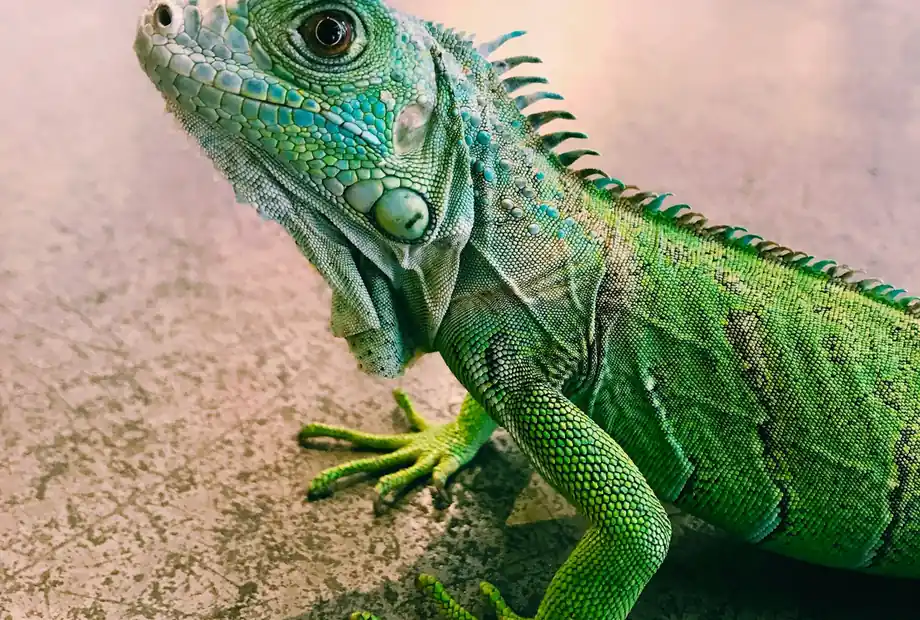
Quick answer: Choose a reptile heat lamp based on your species, enclosure size, basking temperature, and fixture safety. For most setups, pair the lamp with a thermostat or dimmer control, a digital thermometer, and a temperature gun so you can verify the actual basking surface.
In this guide: heat lamp types, basking zones, thermostat safety, UVB confusion, and the practical products that make a terrarium easier to monitor.
Why reptile heating needs planning
Reptiles are ectothermic, which means they rely on their environment to regulate body temperature. A healthy enclosure usually needs a warm basking area and a cooler side, giving the animal a choice. This is called a temperature gradient.
A lamp that is too weak may leave the basking area too cool. A lamp that is too strong can overheat the enclosure or dry it out too quickly. The best setup depends on the species, ventilation, room temperature, enclosure height, and where the basking platform sits.

What to look for in a reptile heat lamp
1. Match the lamp to the speciesA bearded dragon, leopard gecko, corn snake, crested gecko, and tortoise may all need different heat, light, and humidity conditions.
2. Measure the basking surfaceAir temperature is useful, but the surface where your reptile actually basks is often more important.
3. Use a safe fixtureChoose a ceramic socket and stable dome fixture rated for the bulb wattage. Keep cords secure and away from water bowls.
4. Control the heat sourceA thermostat, dimmer, or timer helps prevent overheating and makes the enclosure more consistent.
Heat lamp types beginners compare
A basking bulb provides visible light and daytime heat. A ceramic heat emitter gives heat without light, which can help with nighttime temperature support for some setups. A deep heat projector is another option for focused warmth. UVB bulbs are different: they support vitamin D3 production for species that require UVB, but they are not a simple replacement for a heat lamp.

Safety warning: Never guess enclosure temperature by touching the glass or judging how bright the lamp looks. Use thermometers, avoid direct animal contact with hot bulbs, and research the correct range for your specific species before buying.
Helpful products to consider
A heat lamp works best as part of a monitored setup. Useful supporting products include a thermostat, a digital thermometer, an infrared temperature gun, and a secure lamp stand or screen-top fixture. These accessories help turn a bulb into a safer daily routine.
Basking heat bulbProvides daytime heat and a focused basking zone for many desert and semi-arid reptiles.
Ceramic heat emitterAdds heat without visible light when nighttime warmth is needed for the right species.
Reptile thermostatHelps prevent overheating and keeps heat output more stable through the day.
Temperature gunChecks basking surface temperature quickly so you are not relying on guesswork.
Bottom line
The best reptile heat lamp is the one that creates the correct temperature gradient for your specific animal. Start with species research, choose a safe fixture, control the lamp with the right equipment, and measure temperatures where your reptile actually rests.
Affiliate disclosure: SavingCat may earn a commission if you buy through links on this page, at no extra cost to you. We focus on practical pet products that support safer daily care.